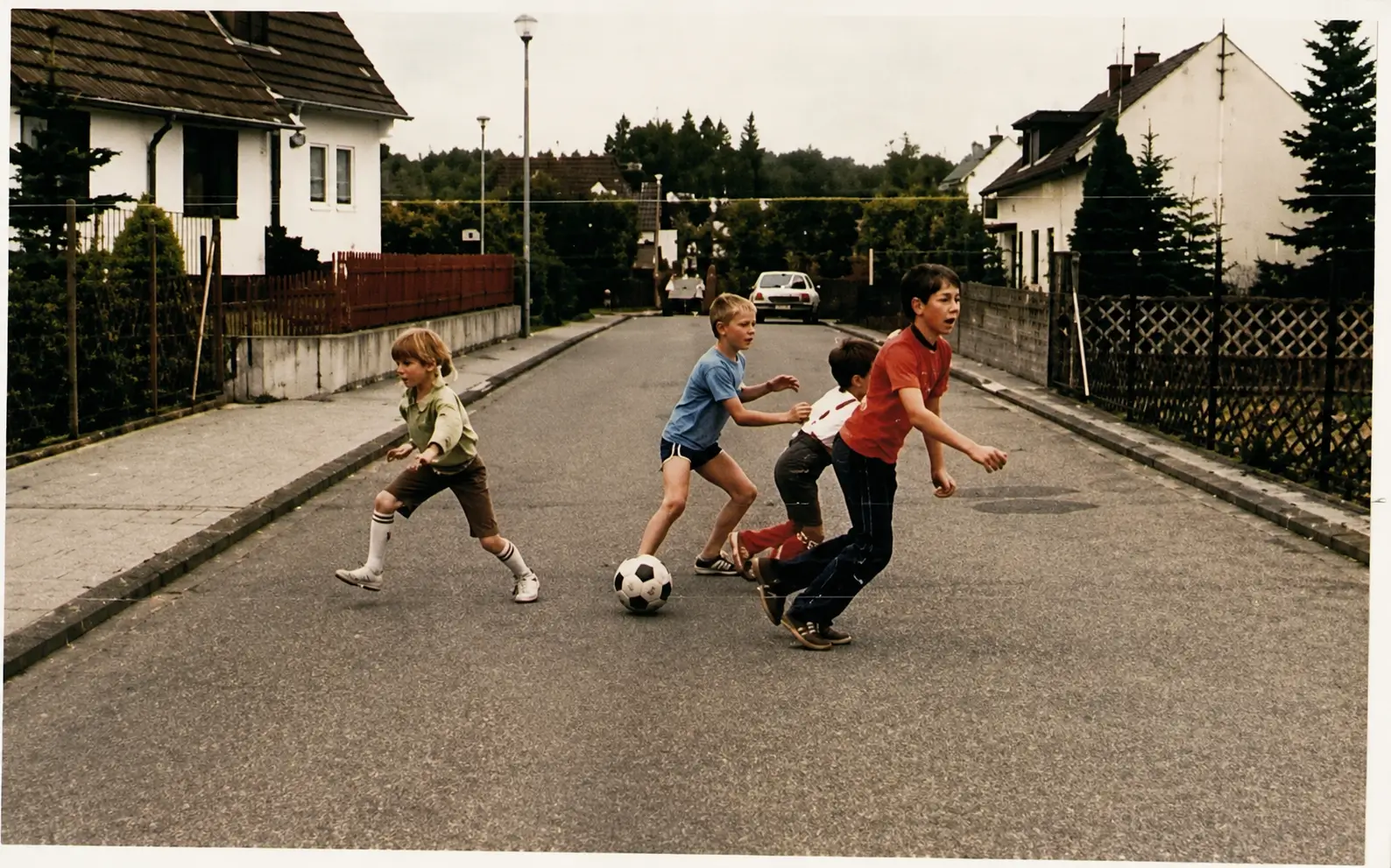
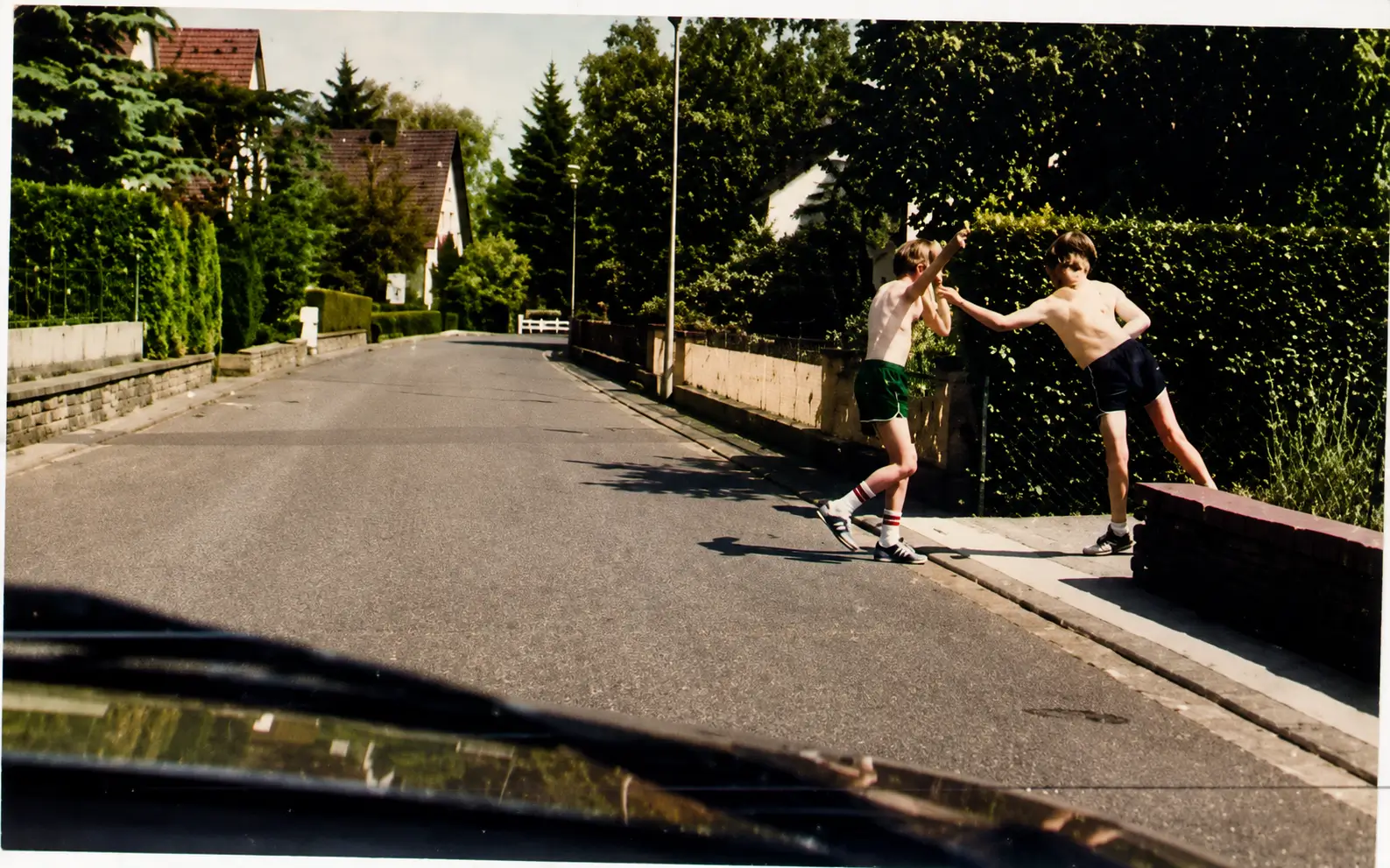
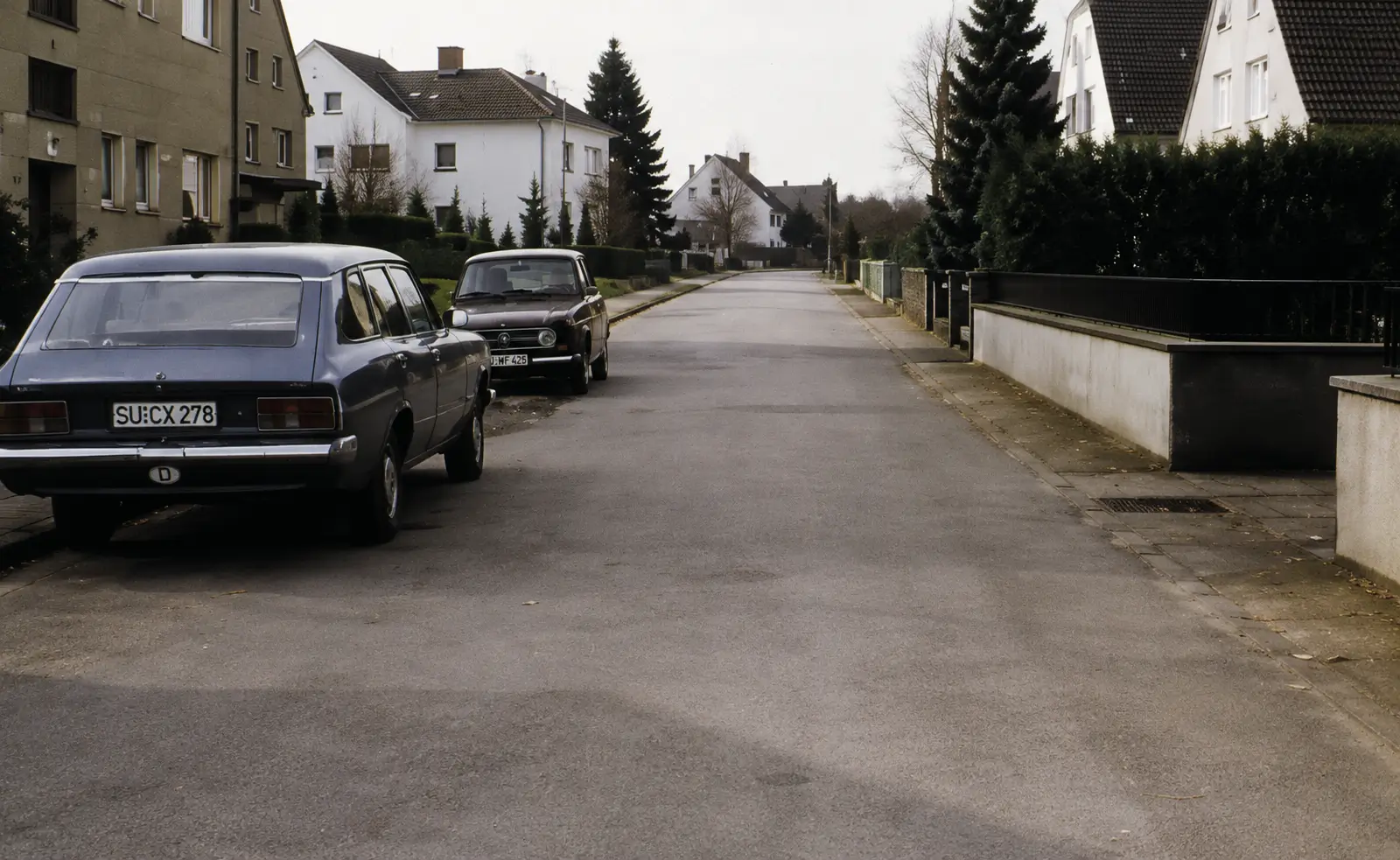
1.What must you reckon with in residential areas with little traffic?
- Children at play often run onto the roadway
- Pedestrians and cyclists are frequently inattentive
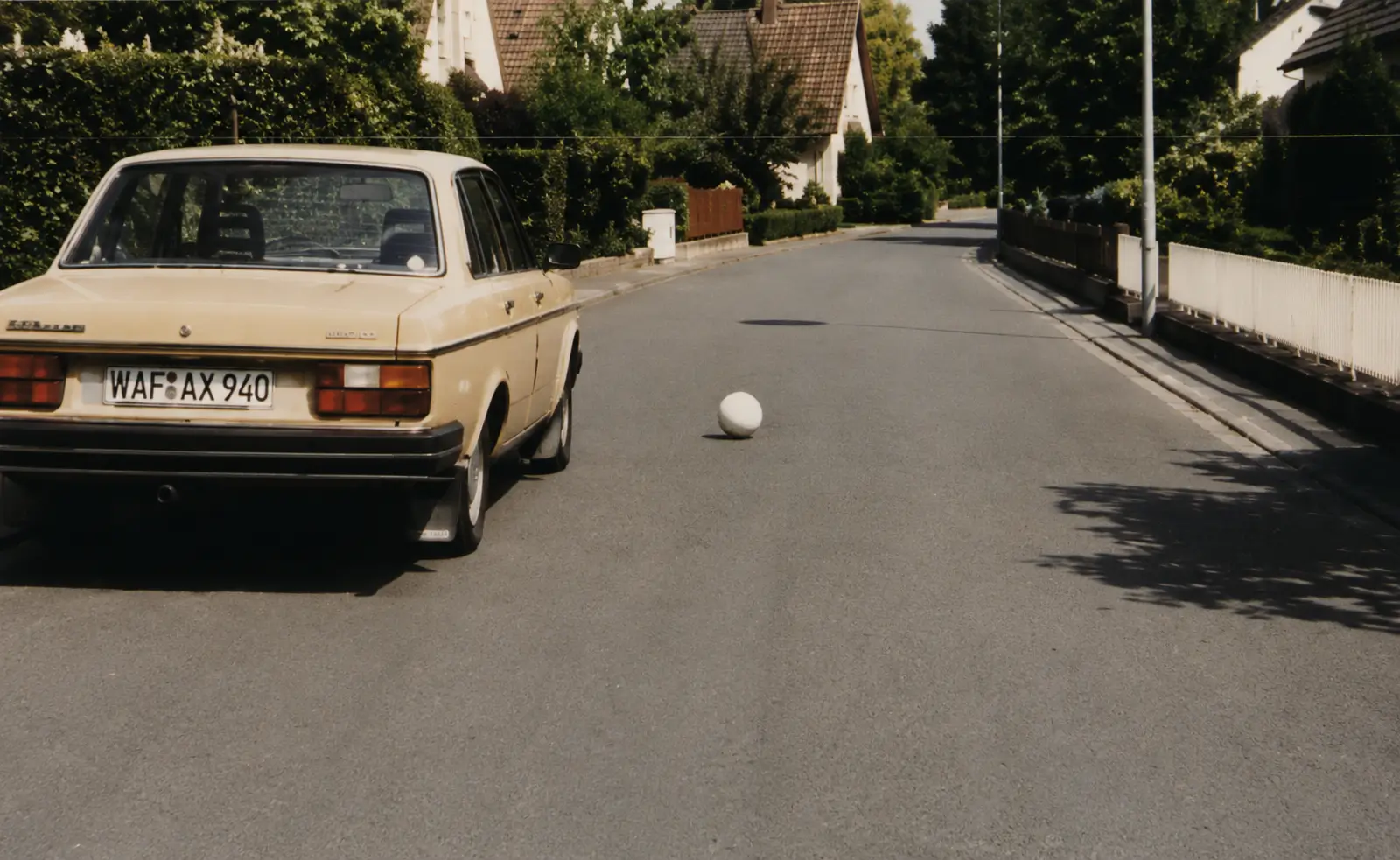
2.A ball rolls out into the roadway in front of your vehicle in a residential area. How should you react?
- Reduce speed at once and remain ready to brake
- Stop if children run onto the roadway
3.You are approaching children playing on the pavement. What should you do?
- Reduce speed and remain ready to brake
4.What should you reckon with when approaching children?
- Rash behaviour on the part of the children
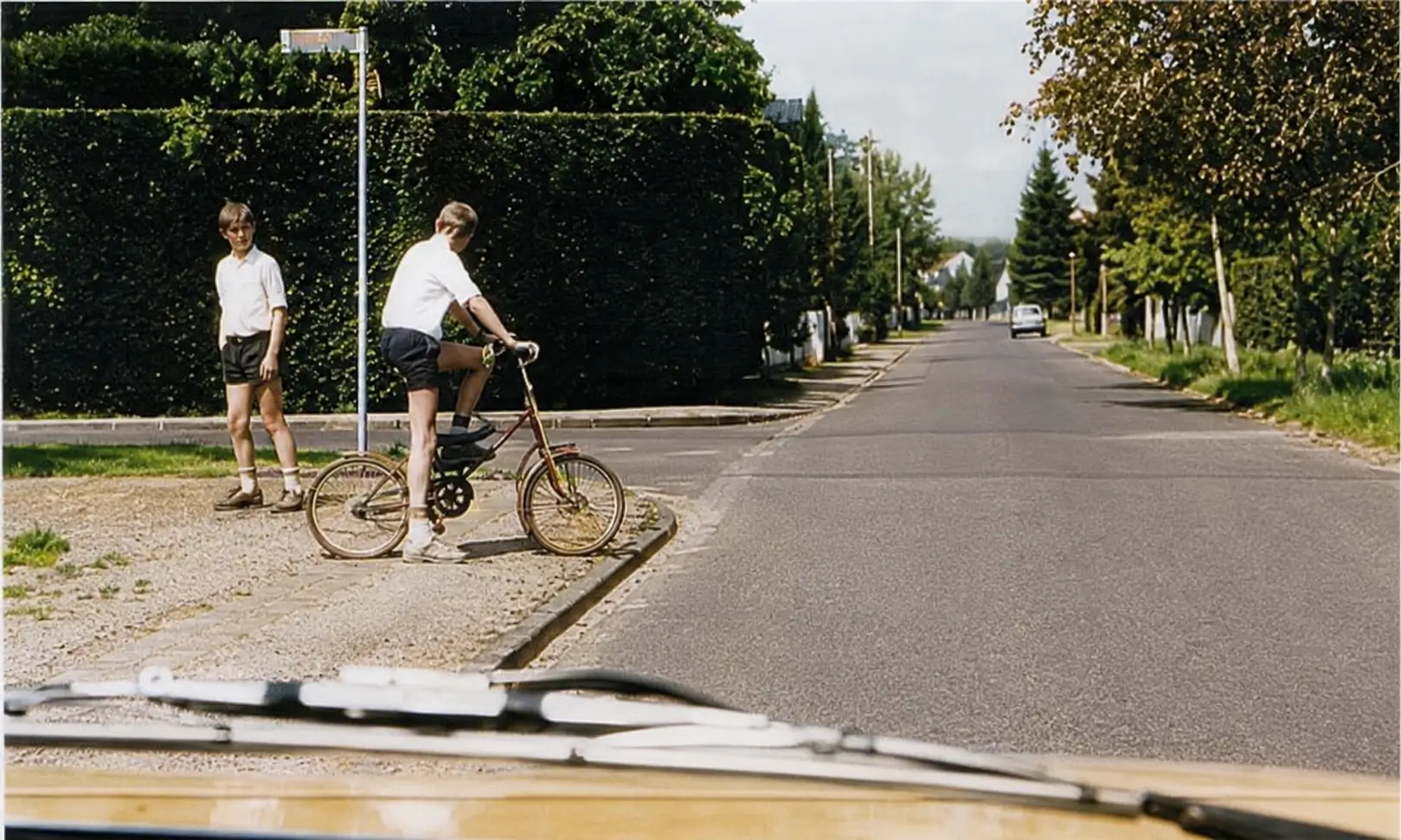
5.What must you reckon with?
- The boy could set off at any moment
- The boy might look right but still set off
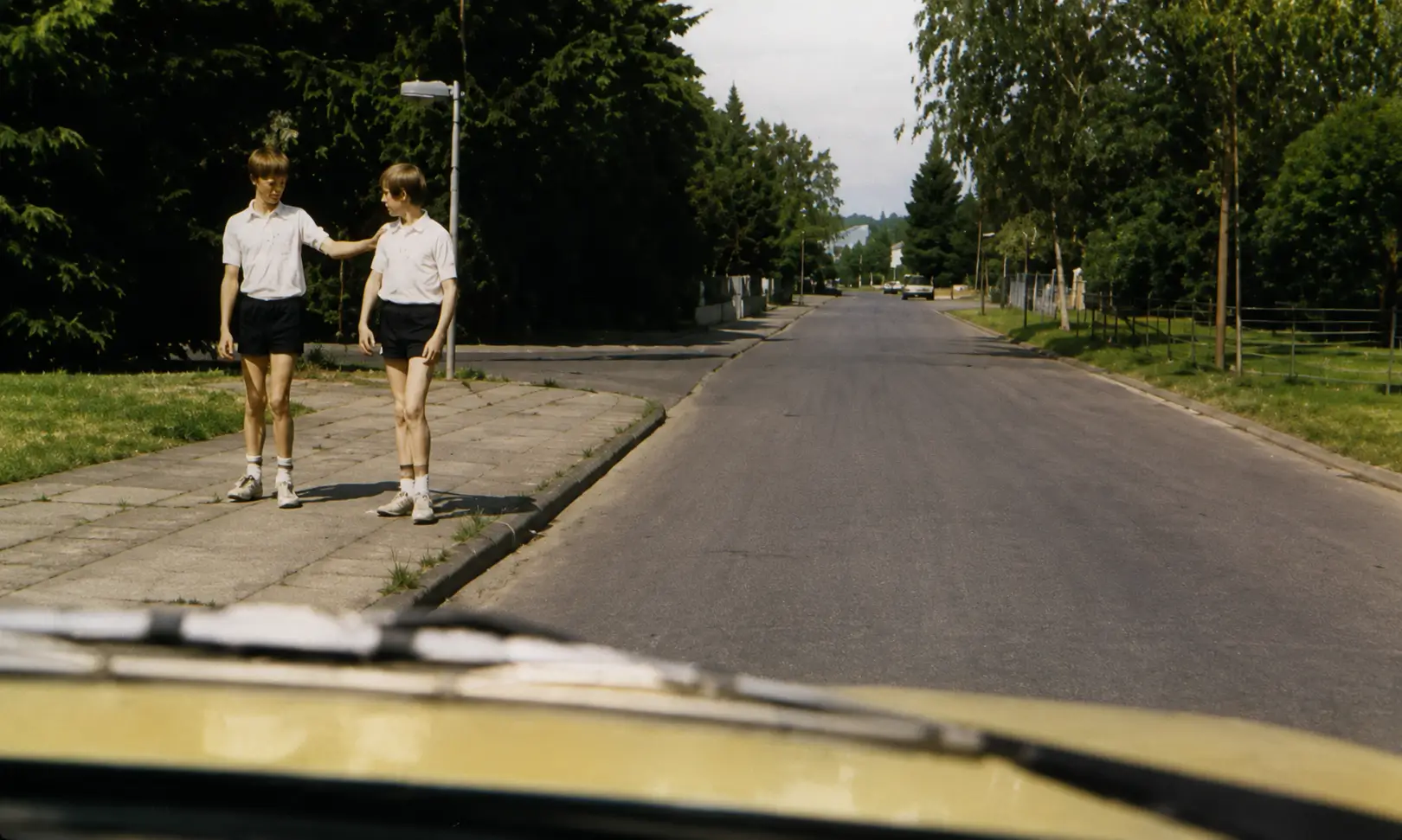
6.What must you do?
- You must keep a close eye on the children and proceed cautiously
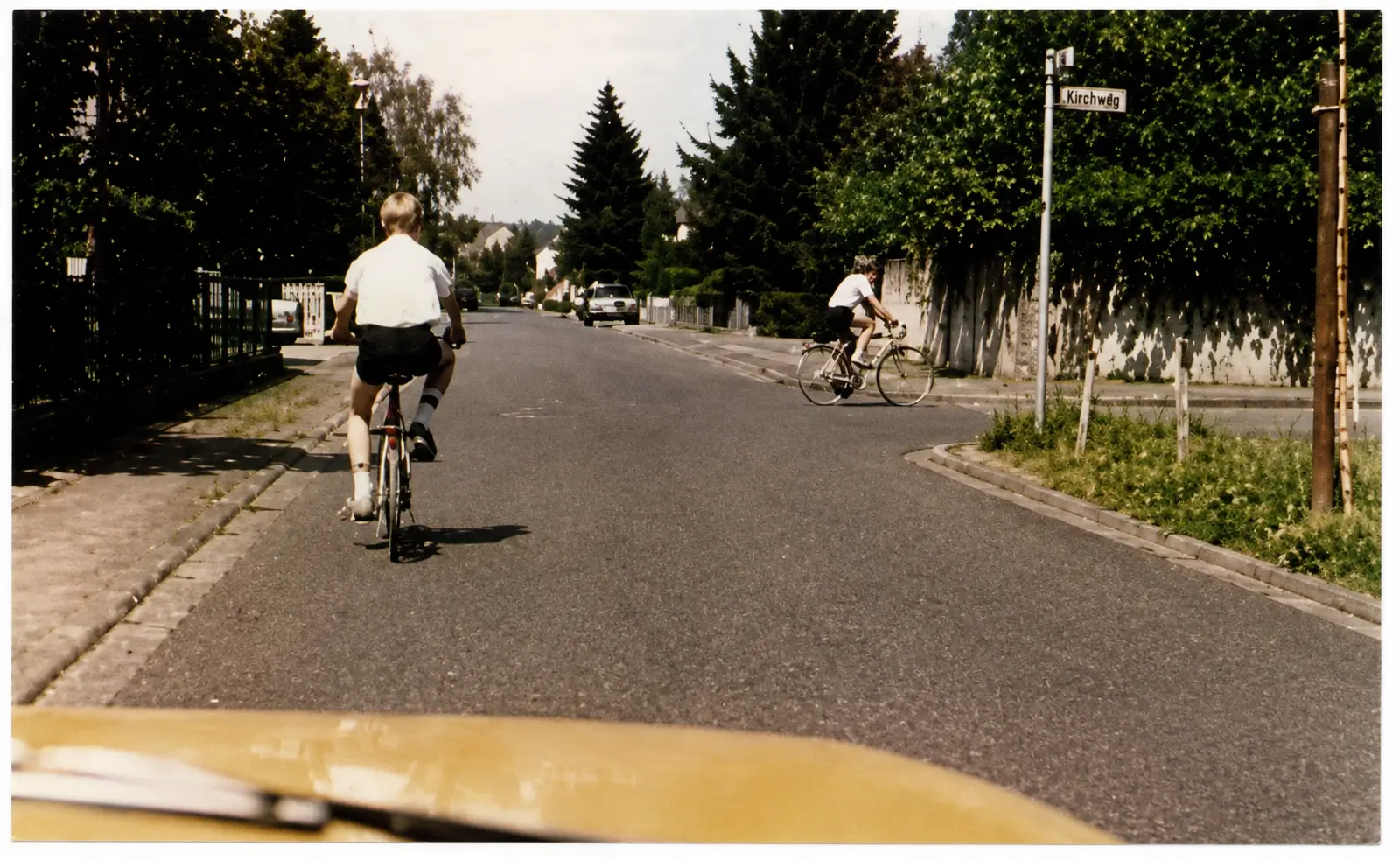
7.What must you be prepared for?
- The boy ahead of you could turn right to follow the other child
- The boy ahead of you could turn right without signalling a change of direction
8.What must you do?
- Brake heavily immediately and remain ready to brake
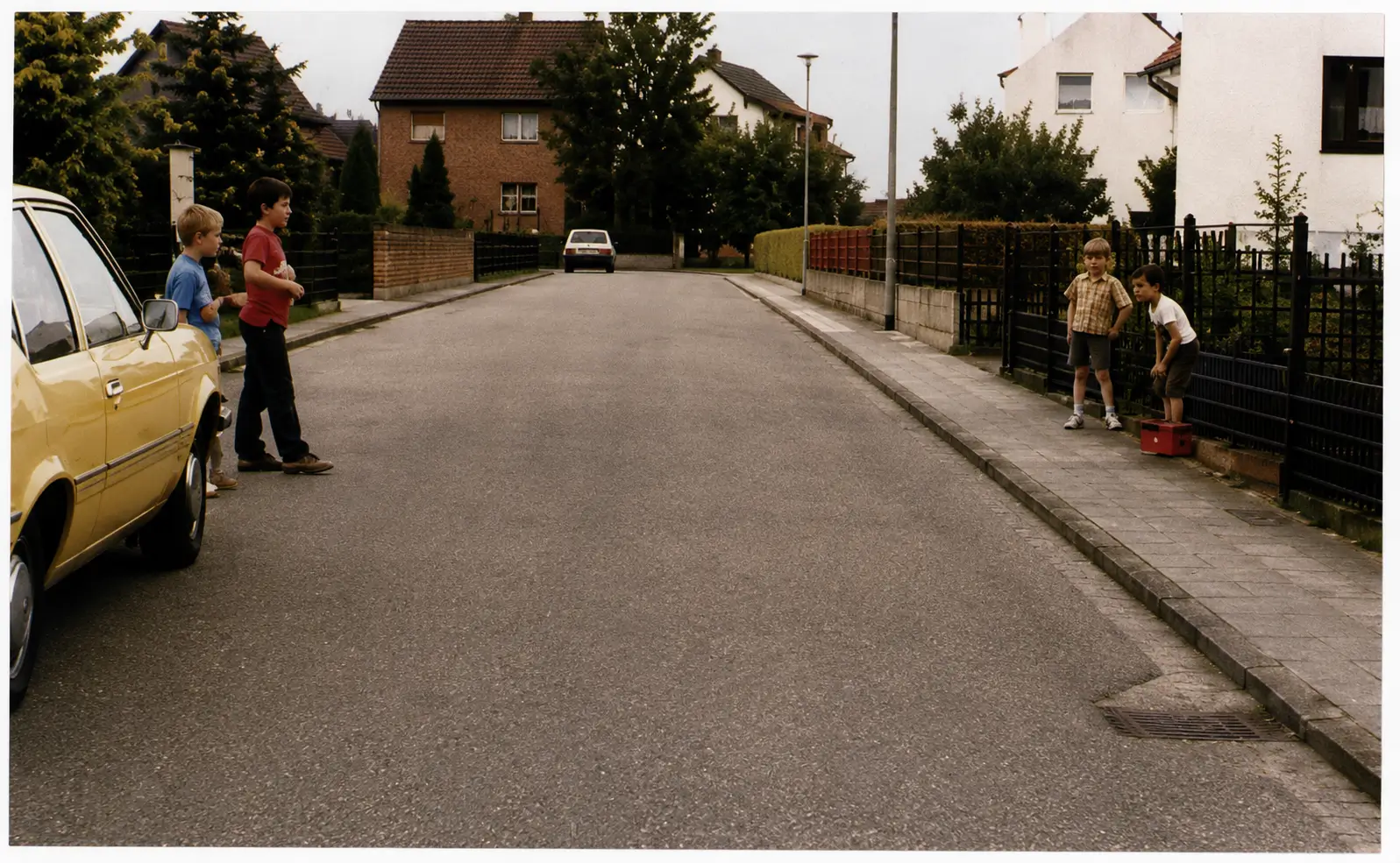
9.What must you be prepared for?
- One of the children could turn back to collect the ball
- The girl could turn back and run to the other children
10.What do you have to do?
- Reduce speed, remain ready to brake and drive cautiously past
11.What do you have to do?
- Brake immediately and remain ready to brake
12.What do you have to do?
- Brake and, if necessary, stop
13.What must you reckon with when elderly people are crossing the roadway?
- They do not always pay attention to vehicle traffic
- They often stop abruptly on the roadway
- They often turn back in the middle of the roadway
14.A pedestrian with a white stick wants to cross the roadway in front of you. What do you have to do?
- Reduce speed and, if necessary, stop
15.What must you reckon with?
- People crossing the street in front of the bus
- People running across the street from the left to catch the bus
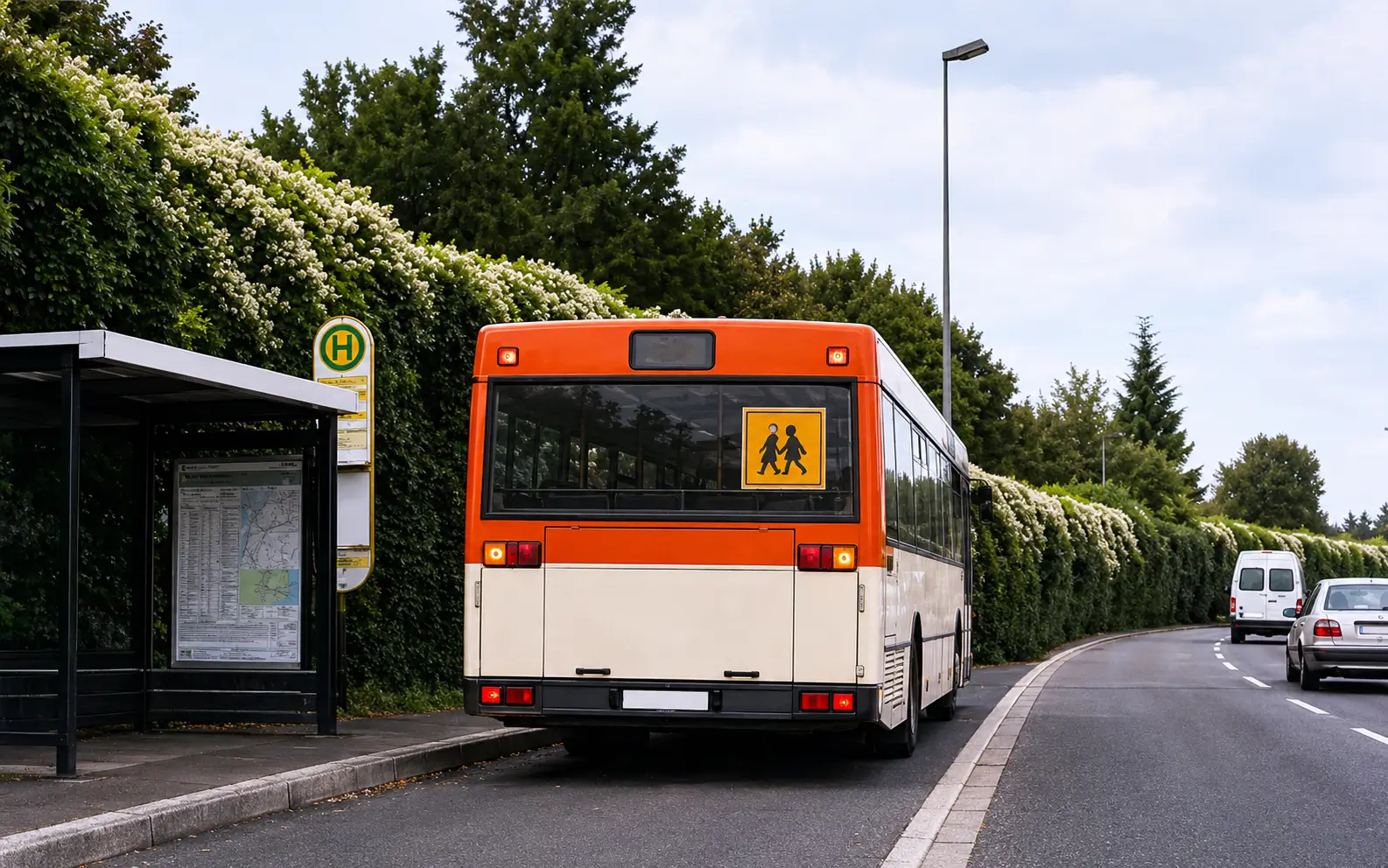
16.The bus has come to a halt at the stop. Under which conditions are you allowed to pass at walking speed?
- If danger for passengers boarding and alighting is excluded
- If passengers boarding and alighting are not obstructed
17.What must you reckon with when children are waiting at traffic lights?
- The children will start running when their lights change from green to amber
- The children also start running when the light is red because they cannot wait
- The children will push each other into the roadway
18.A group of children is cycling on a cycle track. What must you heed in general?
- The children will move onto the roadway without paying attention
- The children will move too far onto the roadway
19.Which statements are correct? (Brake lights on)
- You may pass on the right-hand side at walking speed provided that passengers are not impeded and you are sure no-one is endangered
20.Which vehicles may pass here at walking speed only, provided that passengers are not endangered in any way?
- All vehicles travelling in the same direction
- All vehicles travelling in the opposite direction
21.What must you heed in this situation?
- You may pass the stationary bus at walking speed provided you are sure that passengers are not endangered
22.Why are elderly pedestrians more at risk in traffic than younger people?
- Their eyesight and hearing are often poorer
- Their reactions are slower and they are less agile
- They cannot always judge the speed of vehicles accurately
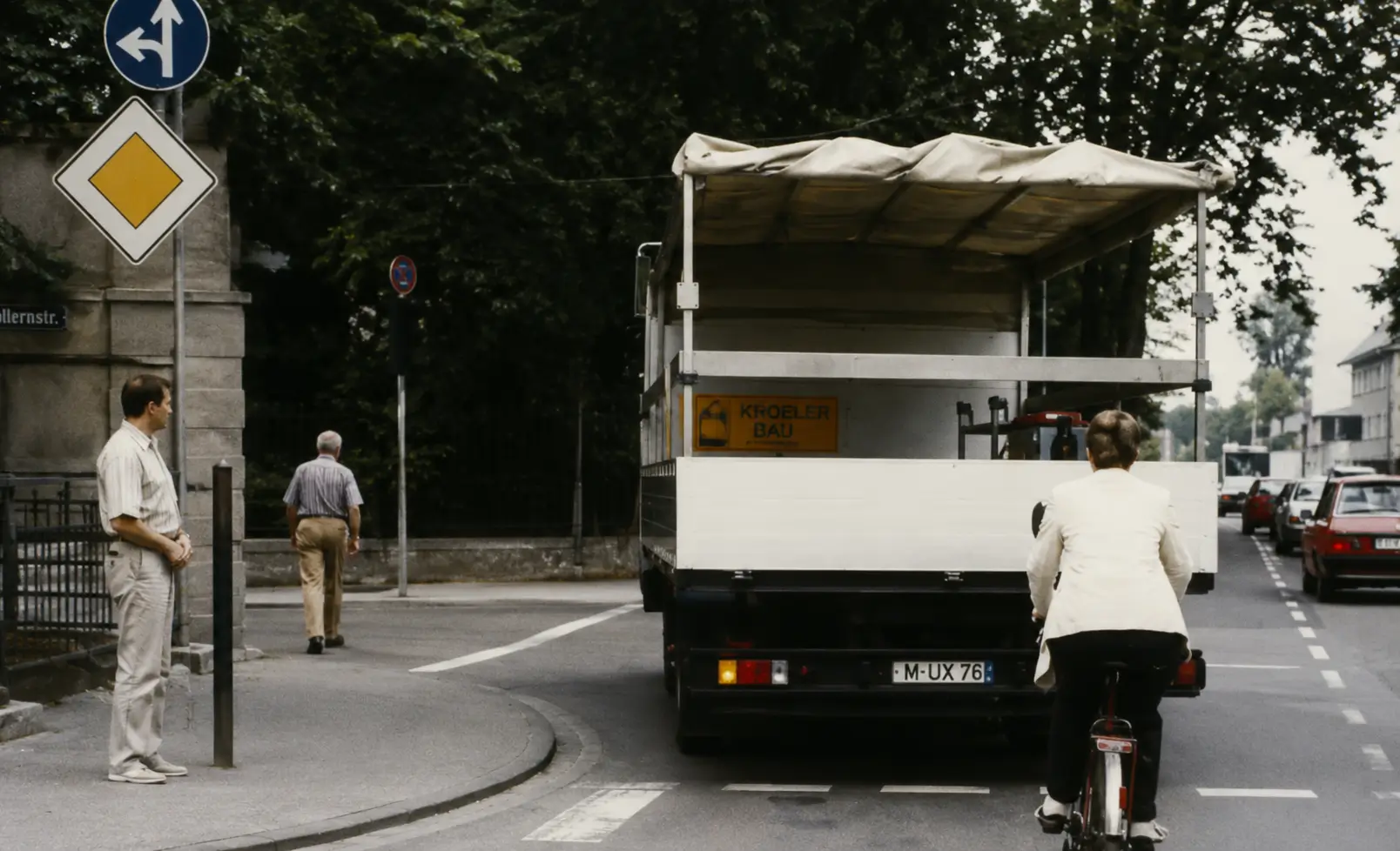
23.You want to turn left. What must you be prepared for?
- The truck will stop
- The pedestrian might let the truck pass then cross the roadway in front of you
- After the truck has turned, the pedestrians may come from the opposite side
24.What must you remember at these bus stops?
- Pedestrians sometimes step off the roadway without paying attention
- Pedestrians often run across the roadway in order to catch the bus
25.What must you do?
- Brake and, if possible, pass slowly on the left
- Keep sufficient lateral distance to the pedestrian
26.A child is walking on the pavement with a dog on a lead. Can this cause a dangerous situation?
- Yes, if the dog suddenly runs onto the roadway and pulls the child along behind
- Yes, if the dog tears away and the child runs after the dog
27.What must you heed in this situation?
- You may pass at walking speed only
- You may pass only if you are sure that pedestrians are not endangered
28.Which statements are correct in this situation?
- Cars coming from the opposite direction may pass the bus provided that they do so with care
- You may pass the bus provided that you do so with care
29.Which statements are correct in this situation? (Hazard warning lights on)
- The bus may be passed in either lane but no faster than at walking speed
- Vehicles in both lanes must stop if passengers would otherwise be endangered
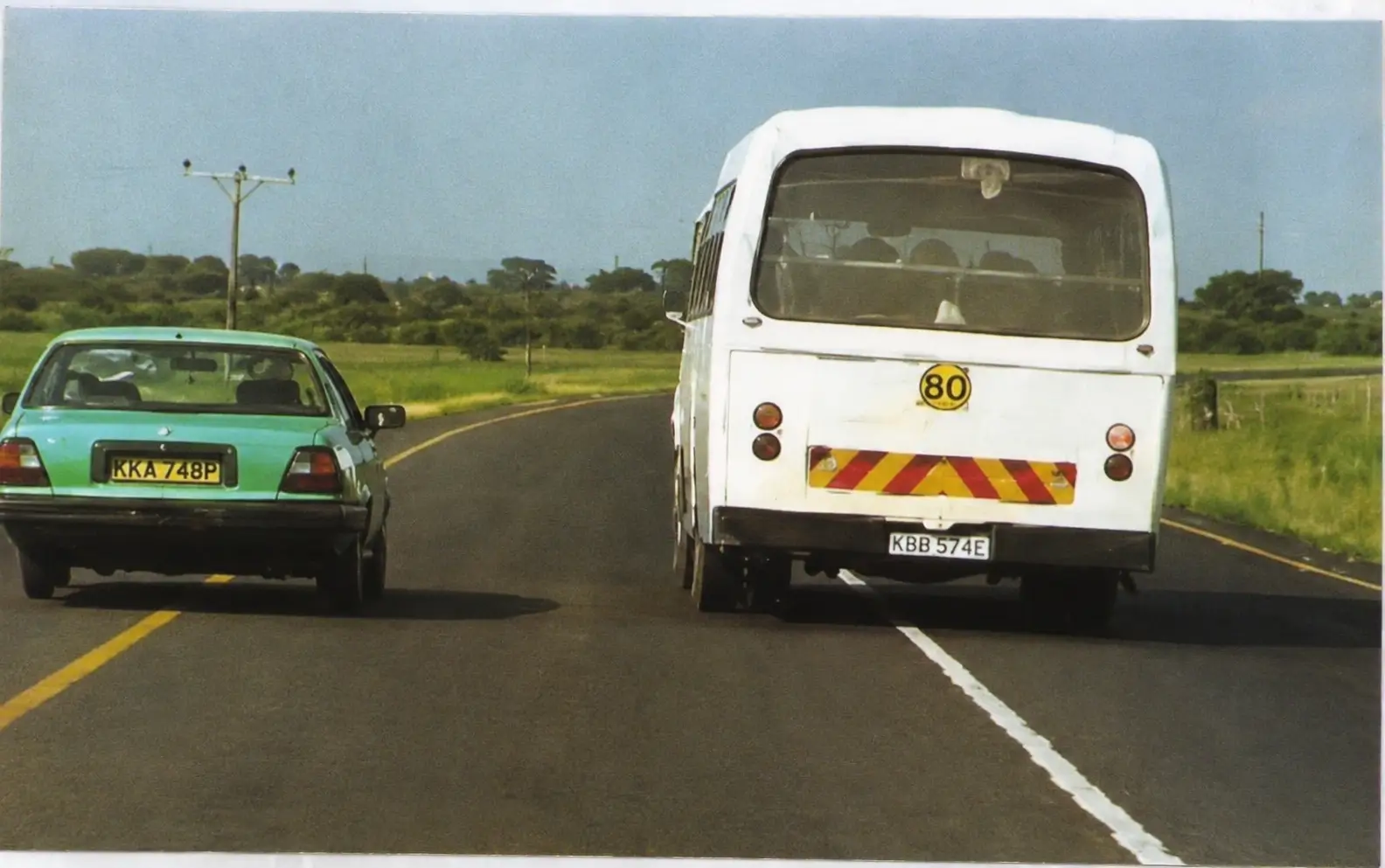
30.What must you be prepared for when a truck in front of you wishes to turn right into a narrow street?
- The truck will reduce speed drastically
- The truck will swing out to the left before turning
31.What must you be prepared for in this situation?
- The sudden appearance of oncoming traffic
- The bus driver suddenly jumping to the left side
- Oncoming traffic concealed by the bus
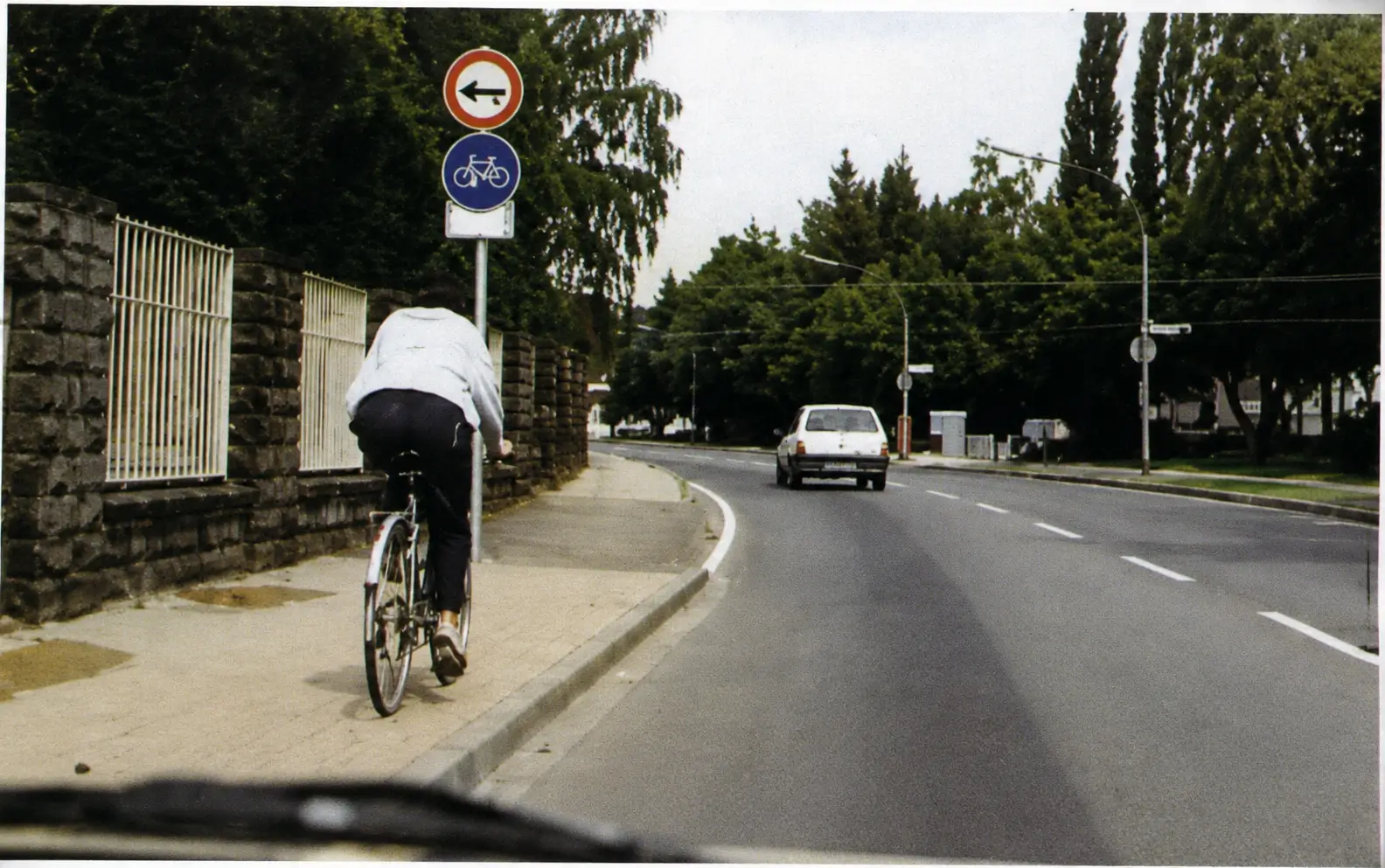
32.When can a cyclist represent a danger for you?
- When the cyclist switches to the roadway without paying attention to the traffic
33.You are approaching a school. Children are leaving the school grounds. What must you reckon with?
- That children rush onto the road without thinking
- That children ride their bicycles onto the road without paying attention
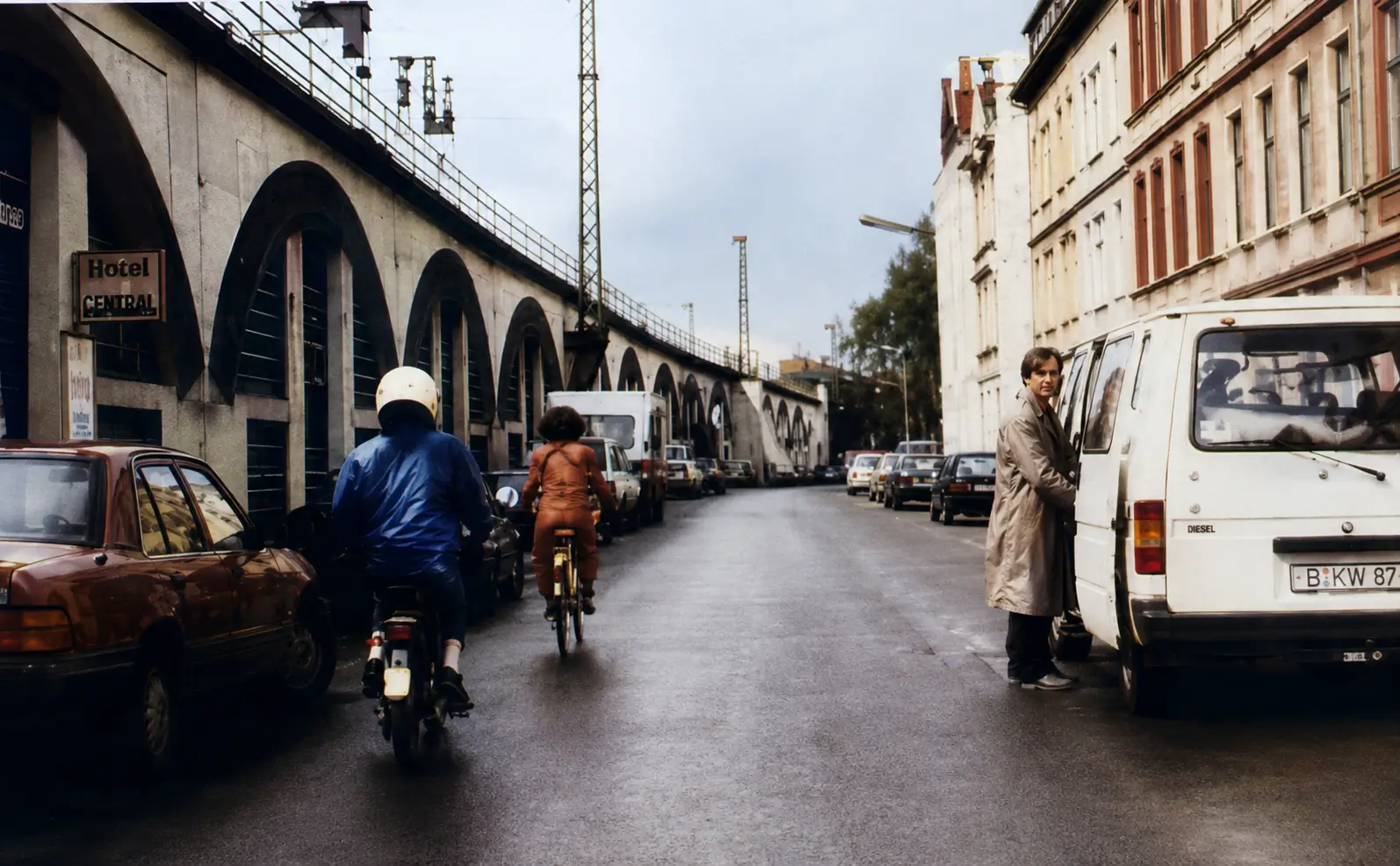
34.What must you reckon with?
- The moped rider could pull out to the right to overtake the cyclist
- The driver of the van could step onto the road while unloading
- Pedestrians crossing the road in front of the van
35.What must you be prepared for in this situation?
- That the braking distance will be longer
- That the driver could suddenly steer into your lane
36.Why are motorcyclists particularly at risk?
- Because they are easily overlooked
- Because their speed is often underestimated
- Because they are exposed to greater risk of injury in accidents
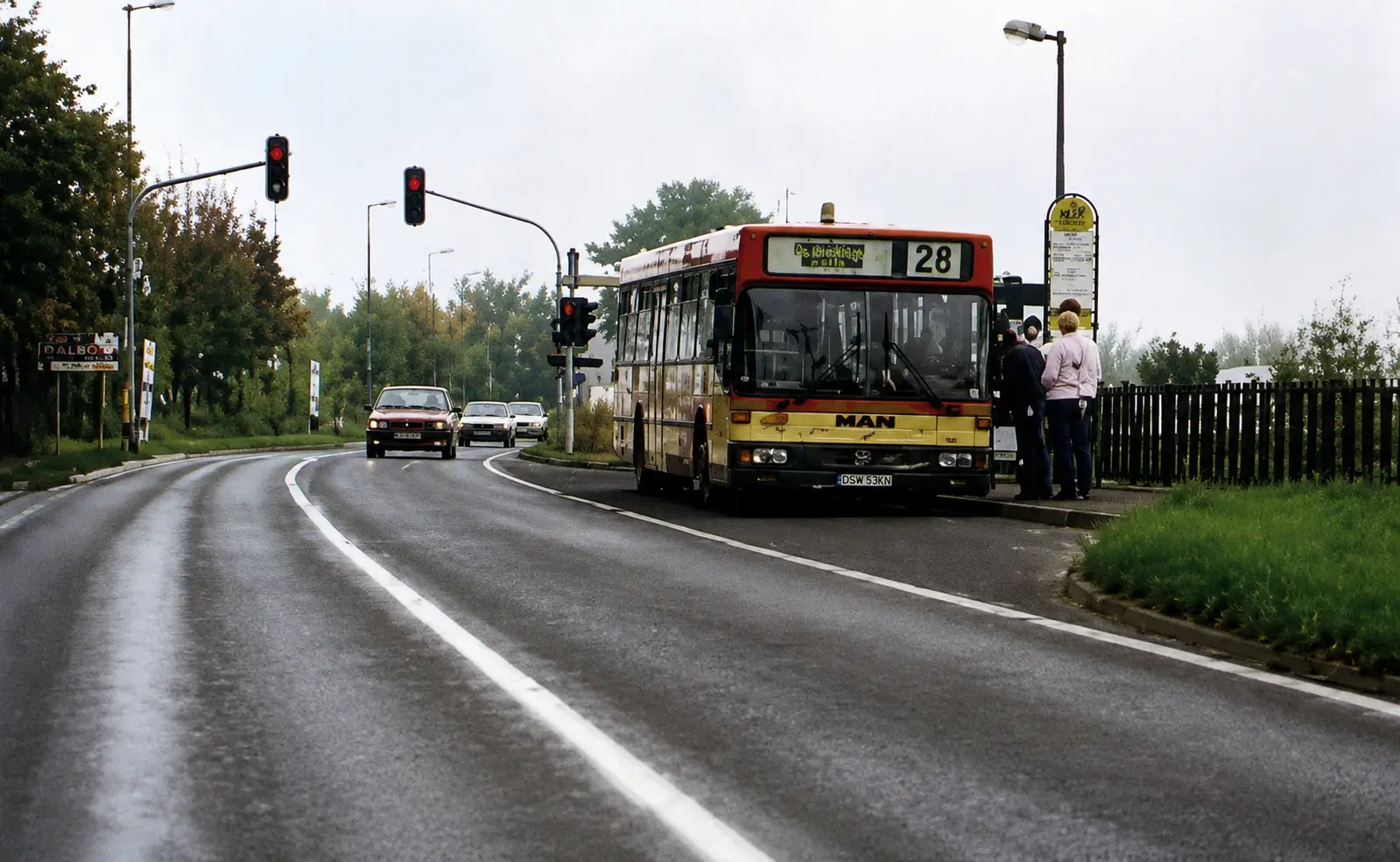
37.At a bus stop, passengers are getting on and off the bus onto the roadway. What do you do if you want to drive past on the left?
- Wait if passengers can be endangered or inconvenienced
- Drive cautiously at walking speed past if this is possible without endangering or inconveniencing passengers
38.What must you observe when driving past a bus which has stopped at a bus stop?
- Keep a sufficient distance from the bus and drive past cautiously, since pedestrians might suddenly cross the roadway in front of the bus
39.What do you do when a bus has stopped at a bus stop with its hazard warning lights switched on?
- Drive past at walking speed only and, if necessary, stop
- Drive past at a sufficient distance in order to exclude endangering pedestrians
- Wait if passengers could be inconvenienced
40.Which vehicles must you allow to set off from marked bus stops?
- Regular buses
- School buses
41.A regular bus in the oncoming traffic has stopped at a bus stop on the same roadway with hazard warning lights switched on. What do you do?
- Slow down to walking speed
42.A bus is driving in the middle of the roadway and reaches a bus stop where passengers are waiting at the edge of the roadway. What do you do shortly before the bus comes to a stop?
- I remain behind the bus in order not to endanger the passengers
43.You are approaching a regular bus, which has stopped in the opposite direction at a bus stop on your roadway and its hazard warning lights are switched on. What must you expect?
- Passengers will cross the roadway in order to catch the bus
- Passengers leaving the bus will suddenly cross the roadway
44.What conduct must you expect of children at zebra crossings?
- They will run onto the zebra crossing without paying attention to traffic
- They will turn around on the zebra crossing for no apparent reason and run back
45.How are elderly pedestrians often expected to behave at zebra crossings?
- They look neither right nor left
- They step unexpectedly onto the roadway
- They sometimes turn back in the middle of the roadway
46.What must you do?
- Brake early in order to show the pedestrians that they may pass
47.What must you do here?
- Stop to allow the pedestrians to cross the roadway
48.In which cases must you approach a zebra crossing with particular care?
- When pedestrians want to cross the roadway
- When the view of the zebra crossing is obstructed
- When another vehicle is already waiting at the zebra crossing
49.What applies immediately before and on zebra crossings?
- You may not overtake
- You may not stop
50.A cyclist wrongly crosses the zebra crossings without getting off his bicycle. What is correct?
- Give in and let the cyclist cross the roadway
51.What do you do in this situation?
- I let the pedestrian cross the roadway
- I wait at the zebra crossing until the van has turned off
52.A pedestrian want to cross the roadway on a zebra crossing. What do you do?
- Approach at moderate speed and wait if necessary
- Do not overtake under any circumstances
53.A truck stops in the left lane on a zebra crossing. You are driving in the right lane. What do you do?
- Wait because pedestrians might cross the roadway
54.You are in congested traffic and must wait. There is a pedestrian crossing in front of you. What do you do?
- Leave the crossing free
55.There is mud on a pedestrian crossing and only the sign 'Pedestrian Crossing' is visible. A pedestrian wants to cross the roadway. What do you do?
- Cautiously brake in good time
- Stop if necessary so that the pedestrian can cross the roadway
56.Why is it particularly important to brake in good time when approaching a zebra crossing?
- So that pedestrian are not scared or made insecure
- To avoid front-end collision
57.You come to a stop unexpectedly on a pedestrian crossing. What do you do?
- Move slightly forward or backward in order to clear the crossing as quickly as possible