
Special situations / traffic regulations

1.

You turn from a brightly lit road into an unlit road. What do you have to bear in mind?

  1. Eyes adapt only slowly to darkness
  2. Obstructions are harder to make out than before
2.

What must you reckon with in autumn when you encounter a line of oncoming cars with dipped headlights during daytime?

  1. Sudden banks of fog
  2. Heavy rain showers
3.

Can dangers arise when you turn off a well-lit road into an unlit road?

  1. Yes, because the eyes cannot adapt to darkness so quickly
  2. Yes, because pedestrians are harder to make out
4.

What must you do in this situation when you are dazzled?
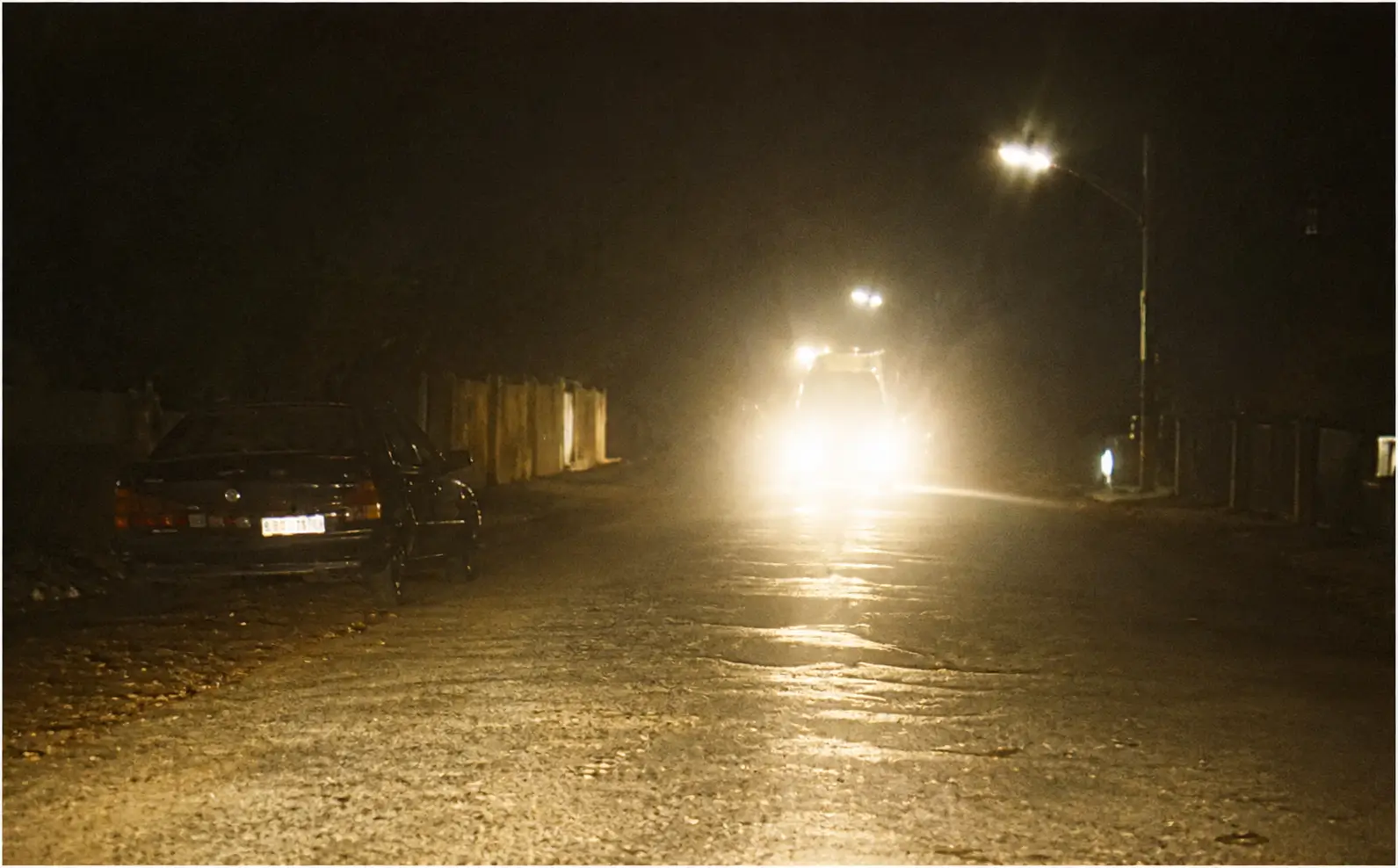
Road at night with bright headlights dazzling
  1. Look to the left-hand edge of the roadway
  2. If necessary, reduce your speed
5.

You are driving on a new road through a woodland area. What must you reckon with?

  1. Game animals unexpectedly crossing the roadway
  2. An obstruction caused by an accident involving a game animal
6.

Several deer run across the road in front of your vehicle. What must you reckon with?

  1. There could be stragglers following the herd
  2. The herd may come back and cross the road again
7.

What must you do if a collision with a game animal is impossible to avoid?

  1. Brake, hold the steering wheel or handlebar firmly and try to maintain the direction of travel
8.

You are driving on a country road at a brisk pace and see deer grazing near the roadway. What must you do?

  1. Reduce speed and be ready to brake
9.

At which time of the day do you have to reckon with increased game pass?

  1. At dusk
  2. At dawn
10.

What must you remember concerning the lighting equipment of your vehicle?

  1. It must be correctly installed
  2. It must be clean
  3. It must be in operating condition
11.

What can cause even dipped headlights to dazzle oncoming traffic?

  1. Headlights set too high
  2. Incorrectly inserted bulbs
  3. An overloaded vehicle
12.

How can you achieve sufficient visibility through the windscreen?

  1. Switch on the windscreen wipers from time to time when it is foggy
  2. When there is slush, switch on the windscreen wipers already before slush is thrown onto your windscreen by other vehicles
13.

While driving at night on a country road you see pedestrians on your side. What do you do if you are dazzled by an oncoming vehicle?

  1. Reduce speed and, if necessary, stop
14.

What must you do if game animals suddenly appear in the full beam of your headlights?

  1. Immediately dip your headlights
  2. Sound the horn and brake
15.

Which dangers are presented when you drive on full beam?

  1. Oncoming drivers are dazzled to the extent that they cannot make out pedestrians on their side of the roadway in time
  2. Game animals on the road are dazzled and "freeze" in the beam of light
16.

In the dark, an oncoming vehicle fails to dips its headlights. What can you do so that you can still see to a certain extent?

  1. Avoid looking at the headlights of the approaching vehicle and direct your gaze towards the left-hand edge of the roadway
17.

What must you do after an accident with a game animal (for example a roe)?

  1. Stop, switch on hazard warning lights and make the scene of the accident safe
  2. Inform the police or the nearest Council office
18.

Visibility is considerably reduced. When are you allowed to switch on fog headlamps?

  1. In rain
  2. In falling Hail
  3. In fog
19.

You are driving in darkness with headlights on full beam. When must you dip your headlights?

  1. If you come to a road with adequate continuous lighting
  2. If you have to wait at a level crossing
20.

You are driving in darkness with headlights on full beam. When must you dip your headlights?

  1. If there is oncoming traffic
  2. If a vehicle is travelling a short distance in front of you
21.

You are driving at night on an unlit road. There is a motor vehicle travelling a short distance in front of you. Which lights must you have on?

  1. Dipped headlights
22.

You are driving in darkness with dipped headlights. Oncoming motorists flash their lights at you. What can this mean?

  1. The headlights of your vehicle may be incorrectly set and are dazzling other vehicles
  2. The light range adjustment of your vehicle is defective or you have chosen the wrong setting
23.

When are you allowed to use fog headlamps also during the day?

  1. When visibility is considerably reduced by fog or falling hail
  2. When visibility is considerably reduced by rain
24.

When are you allowed to switch on rear fog lamps?

  1. When fog reduces visibility to less than 50m
25.

Where are parking lights sufficient when parking a car on unlit roads?

  1. In built-up areas
26.

When you are driving, how can you tell whether the headlights are switched on full beam?

  1. By a blue indicator light
27.

Which dangers can arise from a manual light range adjustment being incorrectly set?

  1. Oncoming traffic may be dazzled
  2. Visibility may be too low
28.

When must you drive at least with dipped headlights?

  1. In twilight
  2. In the daytime if visibility conditions make it necessary
  3. When driving through badly lit underpasses
29.

Are you allowed to drive only with side lights (parking lights) in darkness?

  1. No
30.

What must you do when you enter a badly lit underpass in the daytime?

  1. Switch on dipped headlights
31.

When must you use dipped headlights also during the day?

  1. When visibility is considerably reduced by fog or falling hail
  2. When visibility is considerably reduced by rain
32.

Why must you use at least dipped headlights also during the day when visibility is considerably reduced by fog, rain or falling hail?

  1. So that you can be seen better by other road users
33.

In which cases must you at least switch on side lights (parking lights) in twilight or darkness?

  1. When the vehicle is parked on the hard shoulder outside built-up areas
34.

What can interfere with your view?

  1. The load
  2. Worn wiper blades (formation of streaks)
  3. Smeared windows
35.

In your rear-view mirror, you see the words "STOP POLICE" in red illuminated letters on the roof of a police car immediately behind your car. Who does this apply to?

  1. To you only
36.

The words "Please Follow" are illuminated on a police car immediately preceding your car. What does this mean?

  1. Only you must follow the police car
37.

A police car overtakes you and turns into your lane in front of you. The words "STOP POLICE" are illuminated in red letters on the roof. Who does this apply to?

  1. To you only
38.

You are waved down by a red illuminated signal disk from a car driving immediately in front of you. The car cannot be recognised as a police car. What does that mean?

  1. You must follow the car and stop behind it
39.

A vehicle with flashing blue light and siren is approaching. What do you do?

  1. Clear the way for the vehicle
  2. Drive carefully onto the pavement if necessary
40.

You hear a siren. Which questions must you ask yourself?

  1. Where is the emergency vehicle coming from?
  2. Could I obstruct the emergency vehicle?
41.

What can a flashing amber light on a vehicle be a warning for?

  1. For dangers at roadworks or the scene of an accident
  2. For an exceptionally wide vehicle
  3. For a large transport proceeding at low speed
42.

What can a flashing blue light (without siren) mean?

  1. The vehicle is on duty. You should give way
  2. Advance warning of a closed convey
43.

What must you do when a traffic jam has formed on this road outside built-up areas?
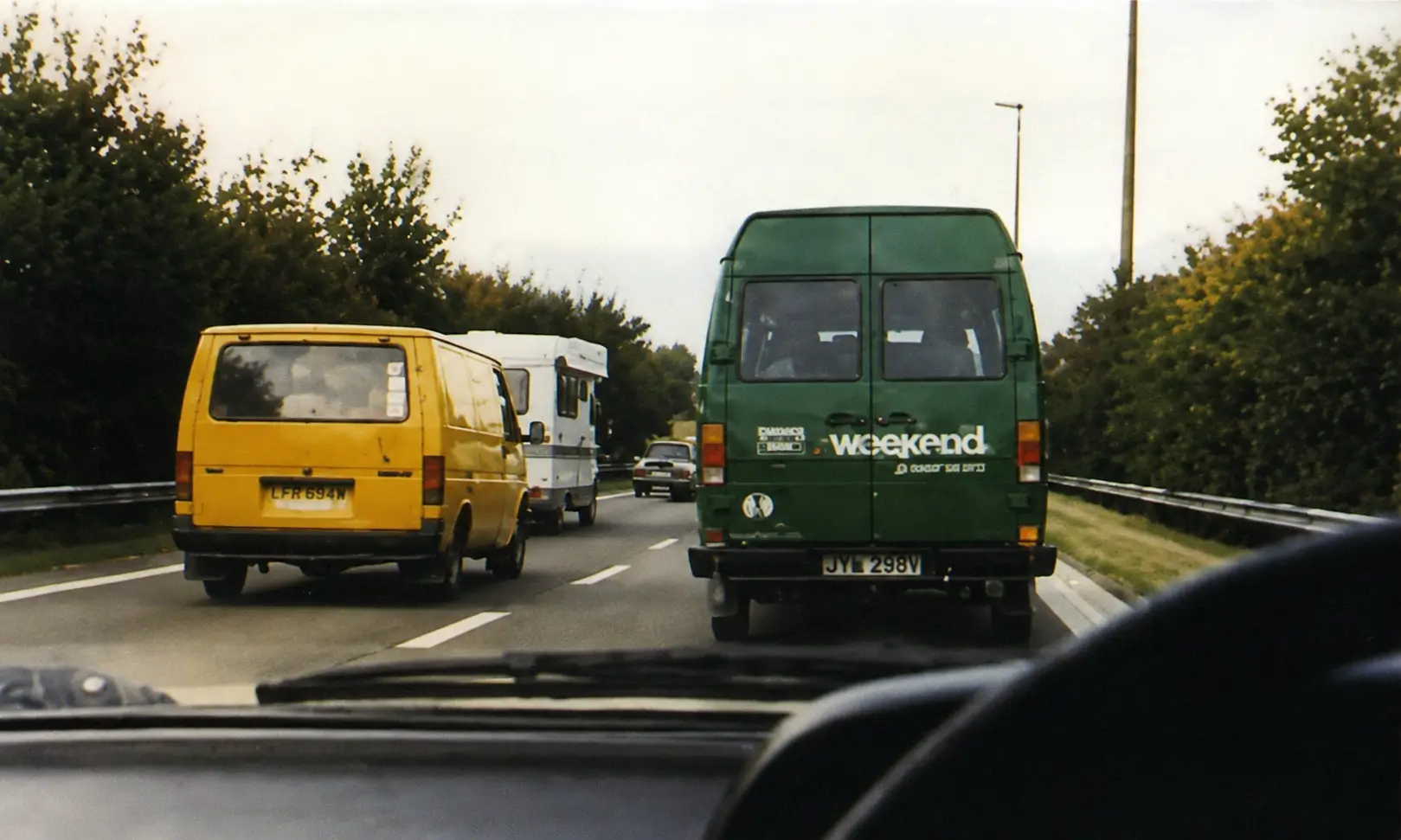
Driver view of traffic jam on road outside built-up area
  1. Move over to the right-hand side of your lane and leave a channel in the middle
44.

A traffic jam is building up here. What must you do?
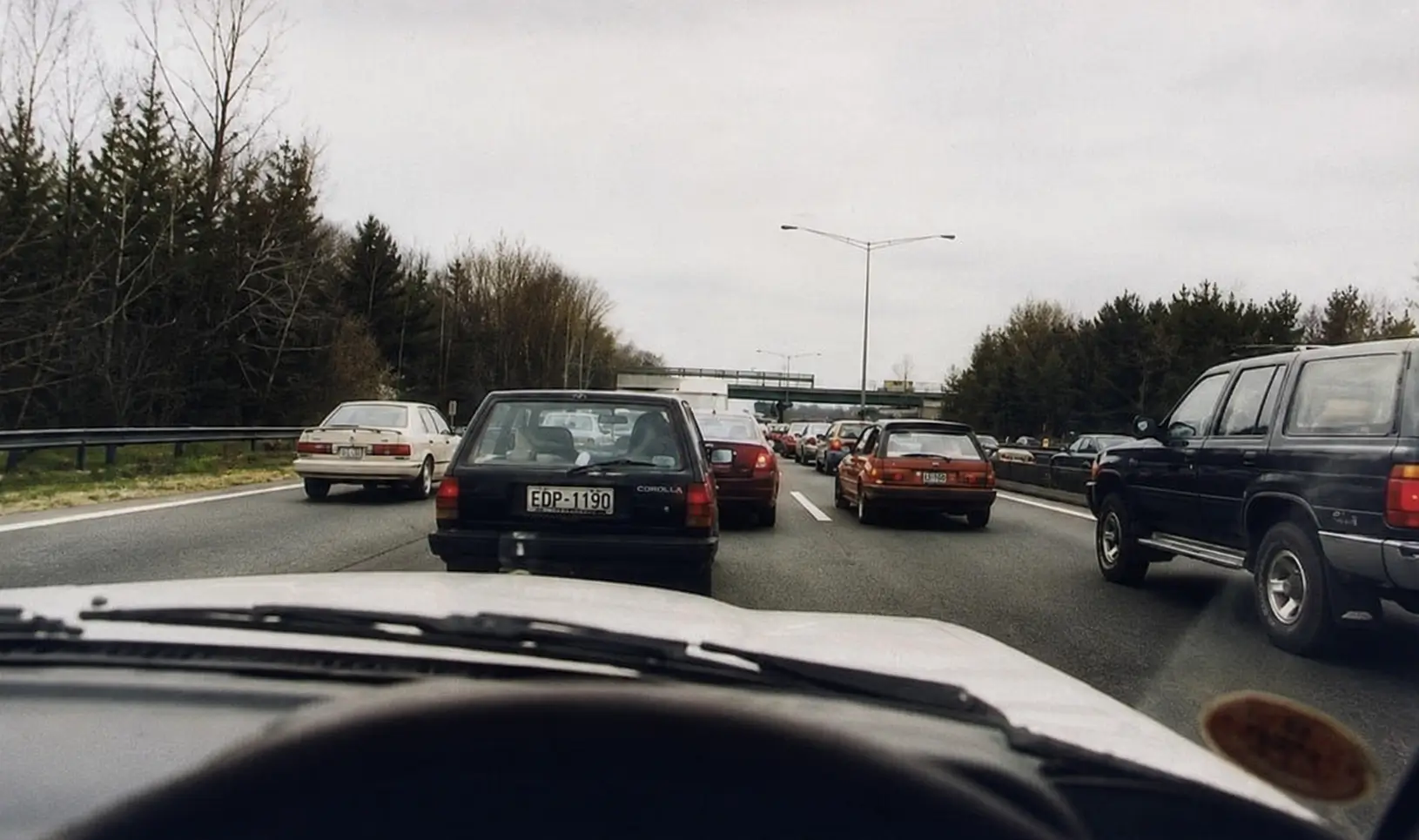
Driver view of traffic jam building up ahead
  1. If possible, switch on hazard warning lights to warn vehicles following behind
  2. Drive as far as possible on the left to leave room for a channel on the right
45.

You are involved in a traffic accident. What are you required to do?

  1. You must immediately pull over to the side
  2. You must inform the police that you were involved in the accident
  3. You must on request, give your name and address and show your driving licence and vehicle registration certificate or, if applicable permit for use
46.

You have damaged a parked vehicle. Though you have waited for a reasonable length of time, the other driver has not appeared. What must you do?

  1. Leave your name and address on the damaged vehicle and immediately report the accident to the police within 24 hrs.
47.

What are you required to do if you are involved in a traffic accident where people are injured?

  1. You must stop and ascertain the results of the accident
  2. You must make the scene of the accident safe
  3. You must help the injured and call the police
48.

You are the first person to arrive at the scene of an accident with injured persons. In which order do you proceed?

  1. Make the scene of the accident safe – give first aid – call the rescue service and the police
49.

You are the first person to arrive at the scene of an accident with injured persons. What should you do first as a rule?

  1. Make the scene of the accident safe
50.

What is entered in the Central Card-Index for Traffic Offences?

  1. Criminal offences in connection with road traffic
  2. Traffic offences for which an administration fine must be paid
51.

What is the earliest point in time when traffic offences entered in the Central Card-Index for Traffic Offences are struck off the register?

  1. After two years
52.

For which purpose do you have to obtain a Driving Instructor Certificate from the Licensing Authority?

  1. If I teach for hire or reward
  2. If I teach as employee the staff of my company
53.

Your PSV (PrDP) Permit has expired after 25 months. What are the implications?

  1. I have to apply for a full test
  2. I have to submit a new medical certificate and finger prints