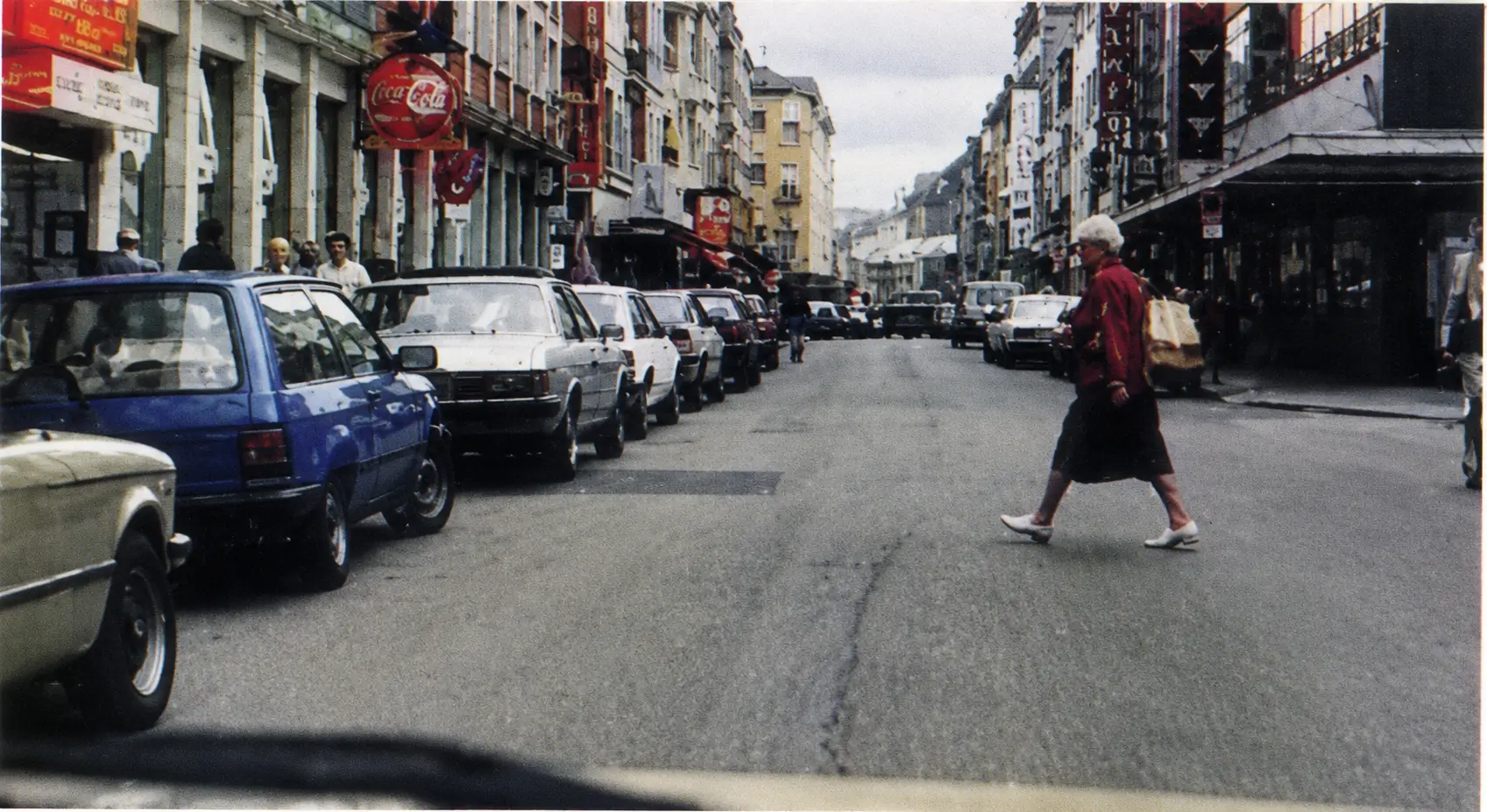
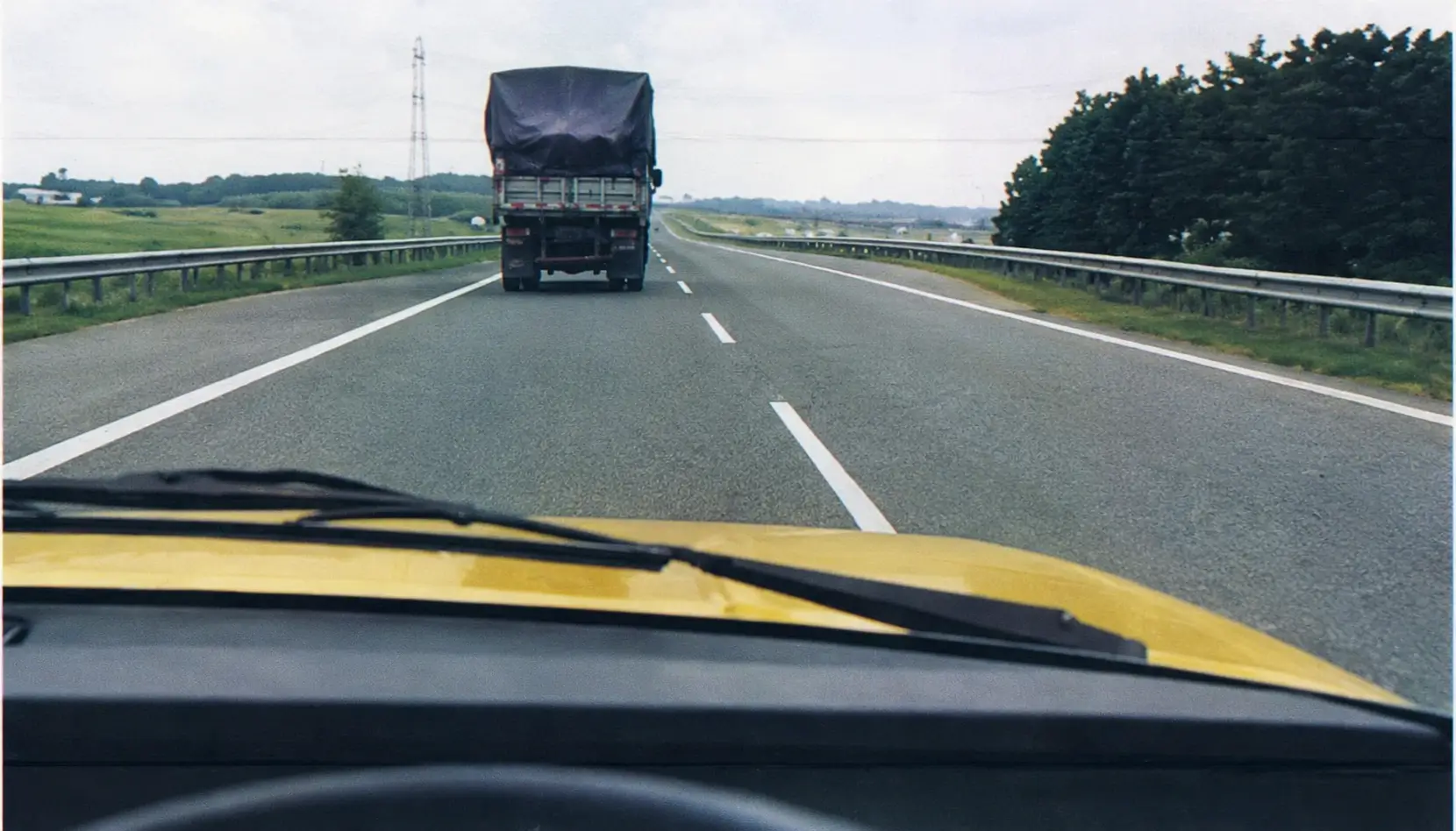
1.Why must you not drive extra slowly for no reason?
- Because it obstructs the flow of traffic
- Because it increases the danger of rear-end collisions
- Because it encourages vehicle drivers behind to overtake dangerously
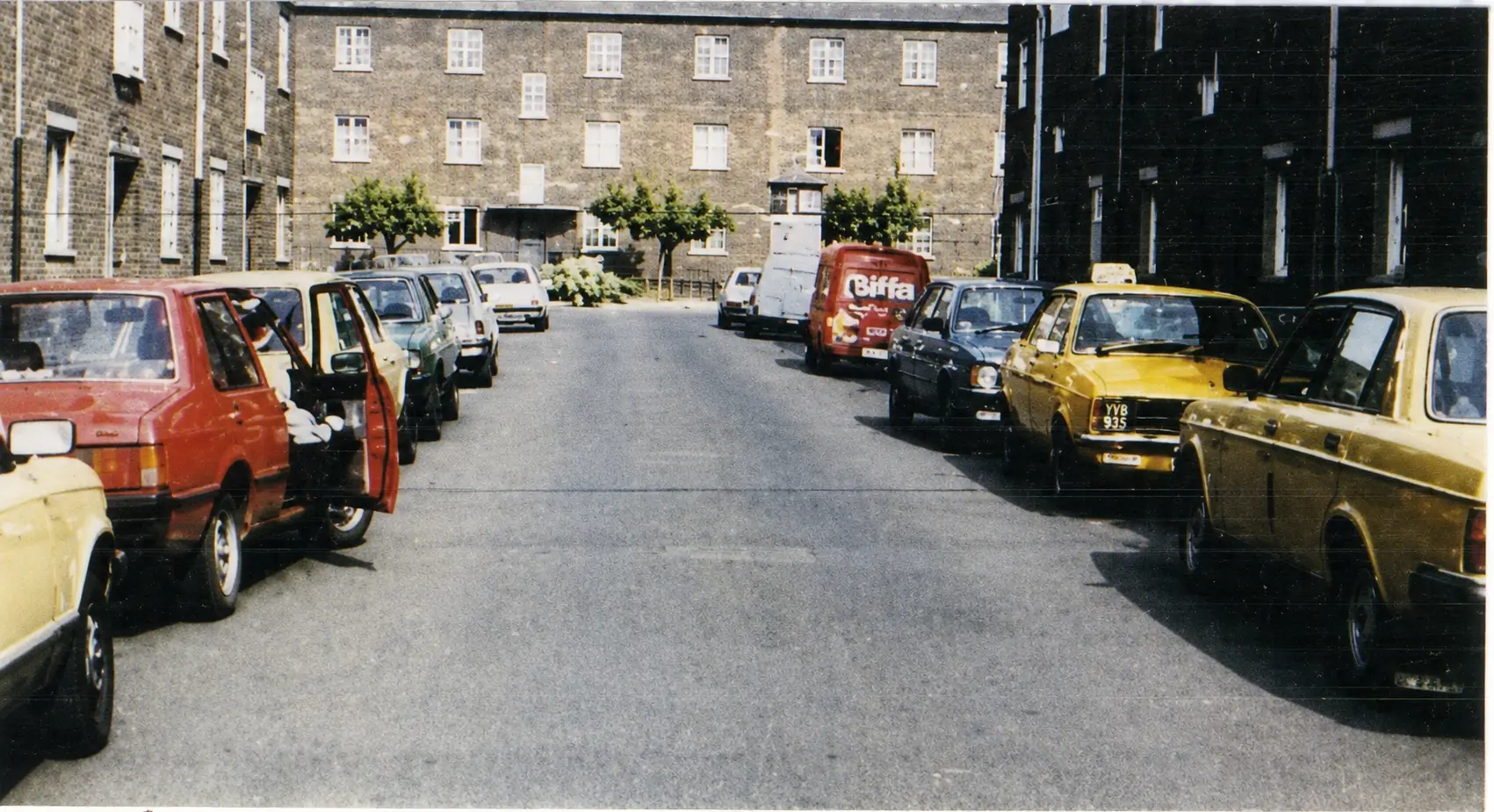
2.What must you be prepared for?
- Pedestrians often change the side of the road
- Parking vehicles obstruct your view
- Pedestrians sometimes step into the roadway inattentively
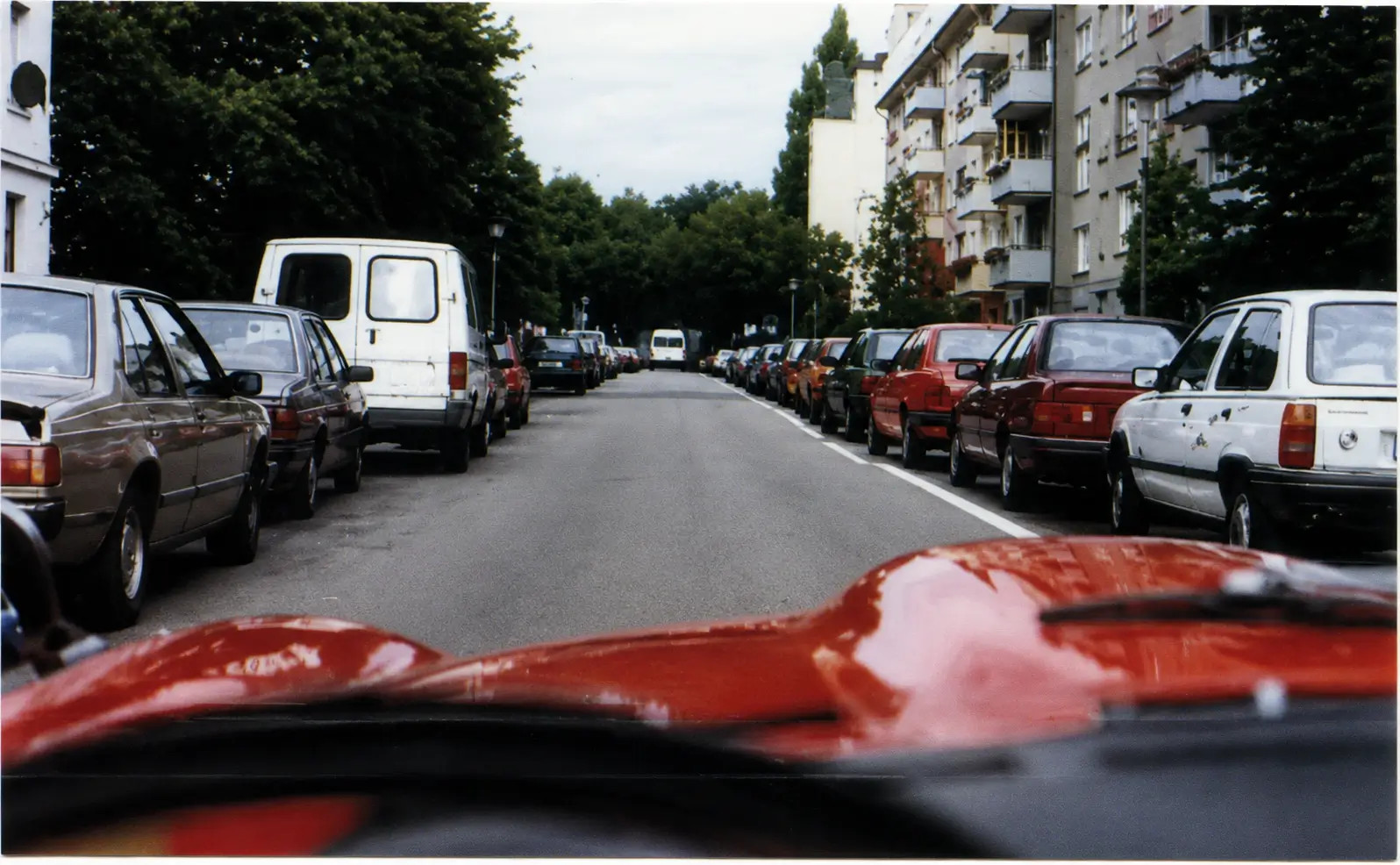
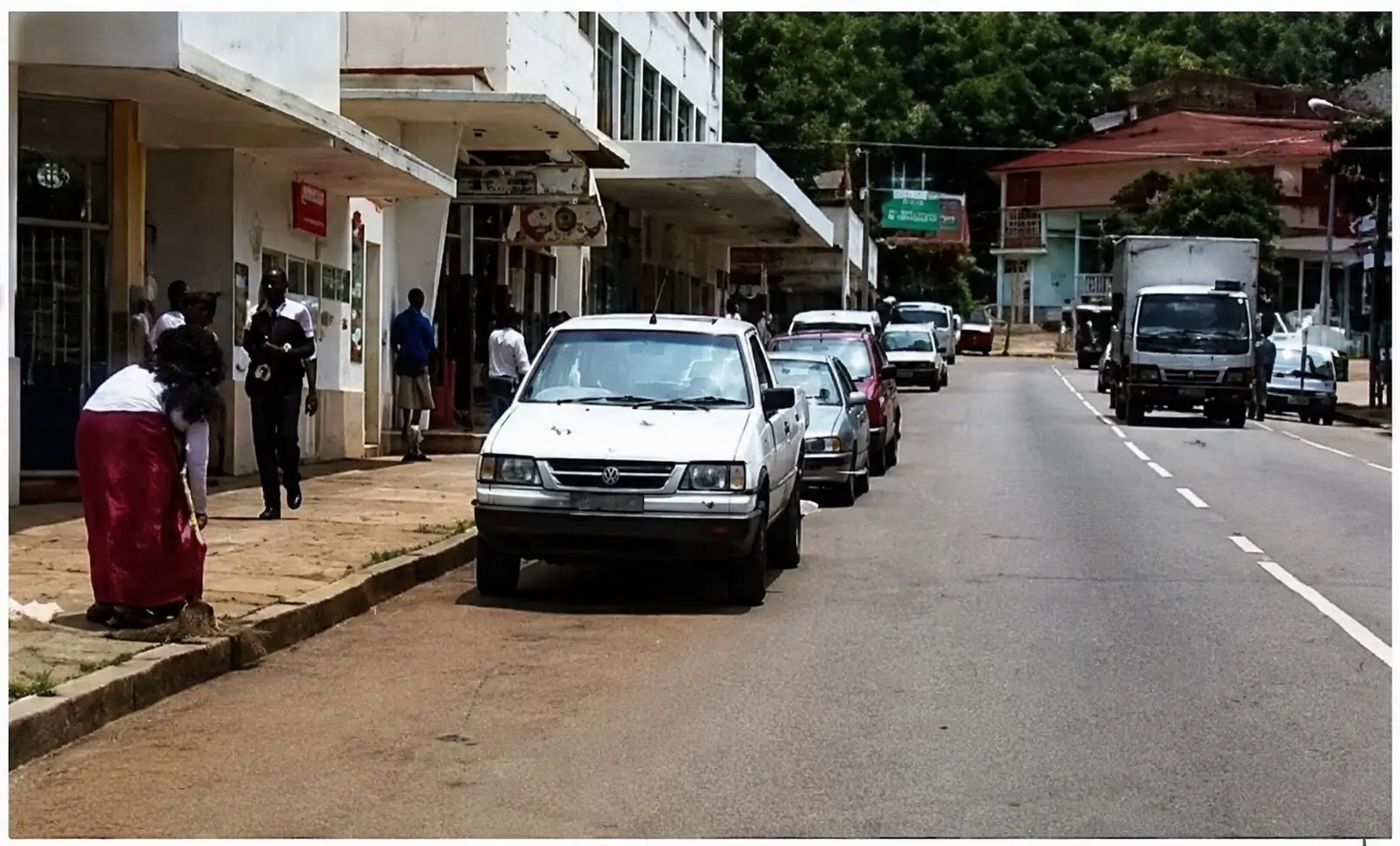
3.What must you reckon with?
- Pedestrians and particularly children may suddenly step onto the roadway between the parked vehicles
- Doors are often opened carelessly on the side of the roadway
- Vehicles setting off swerve out unexpectedly
4.What must you reckon with?
- Pedestrians could step onto the roadway in front of you
- Children may suddenly appear from between the vehicles
5.Where must you particularly reckon with dirt on the roadway and therefore danger of skidding?
- Near construction sites
- At junctions with farm tracks
6.Why must the safe distance maintained be much greater on a wet roadway than on a dry roadway?
- The contact between the tyres and the roadway deteriorates
- Wheel-spray can impair visibility
- Braking distances are greater
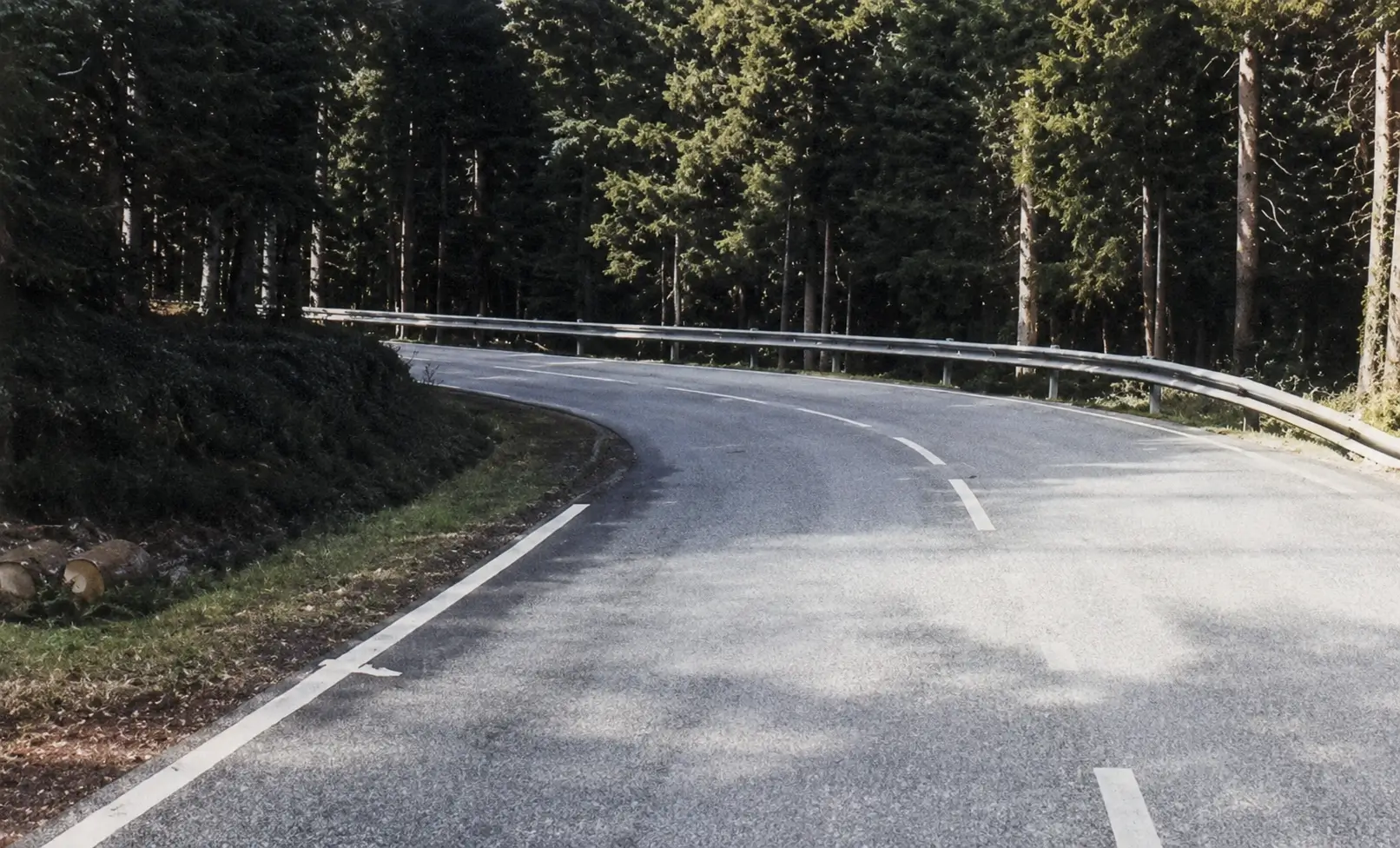
7.Where must you especially reckon with obstacles on the roadway?
- On bridges
- On stretches of road running through forest
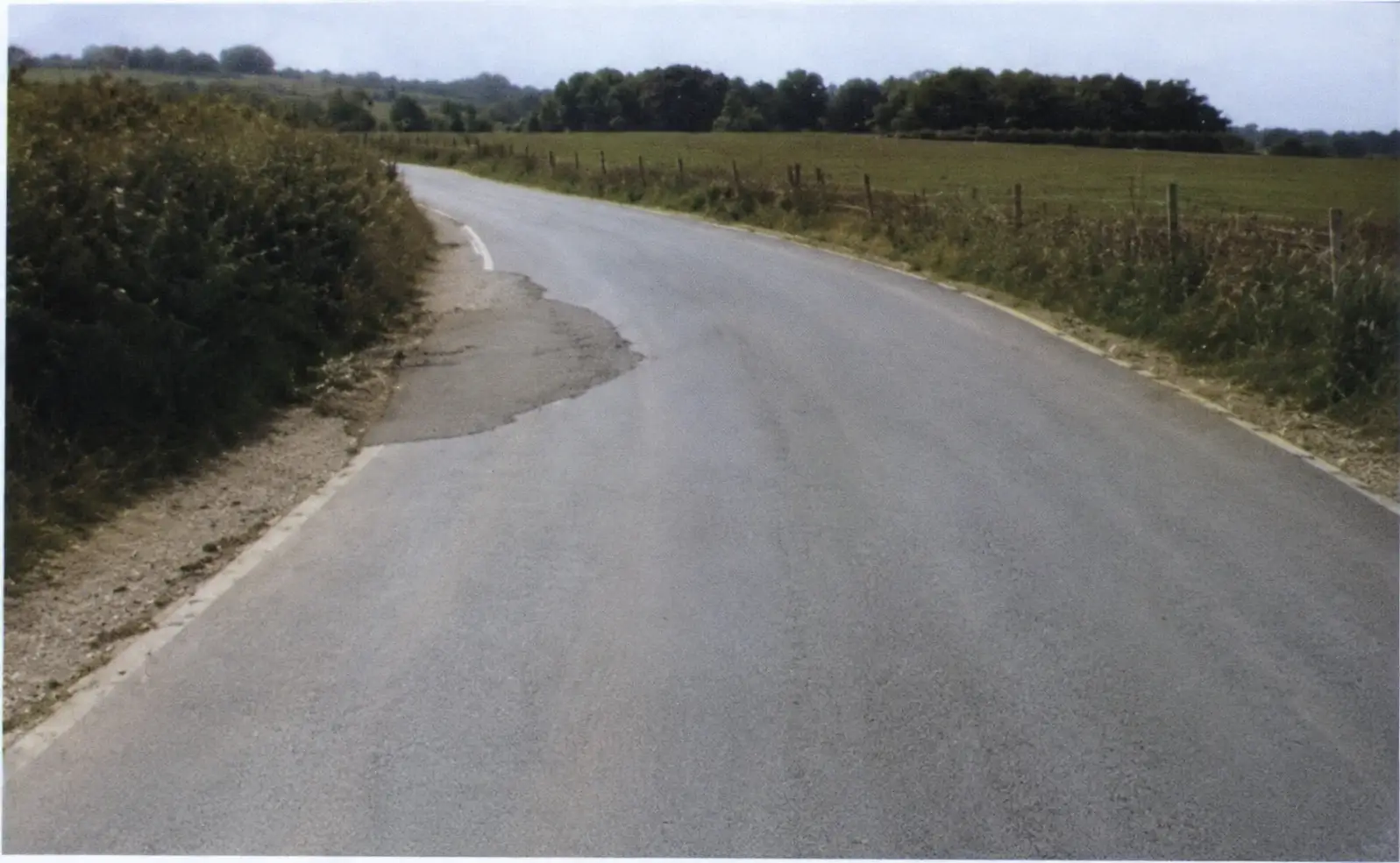
8.Why should you drive with particular care here?
- The road ahead is obscured from view
- The surface of the road is uneven
- Oncoming traffic might drive too far on the right
9.Why does driving on this stretch of road require greater alertness on the part of the motorist?
- The road surface is uneven and road grip varies
- A vehicle might come from the opposite direction
- Driving on the tracks is dangerous
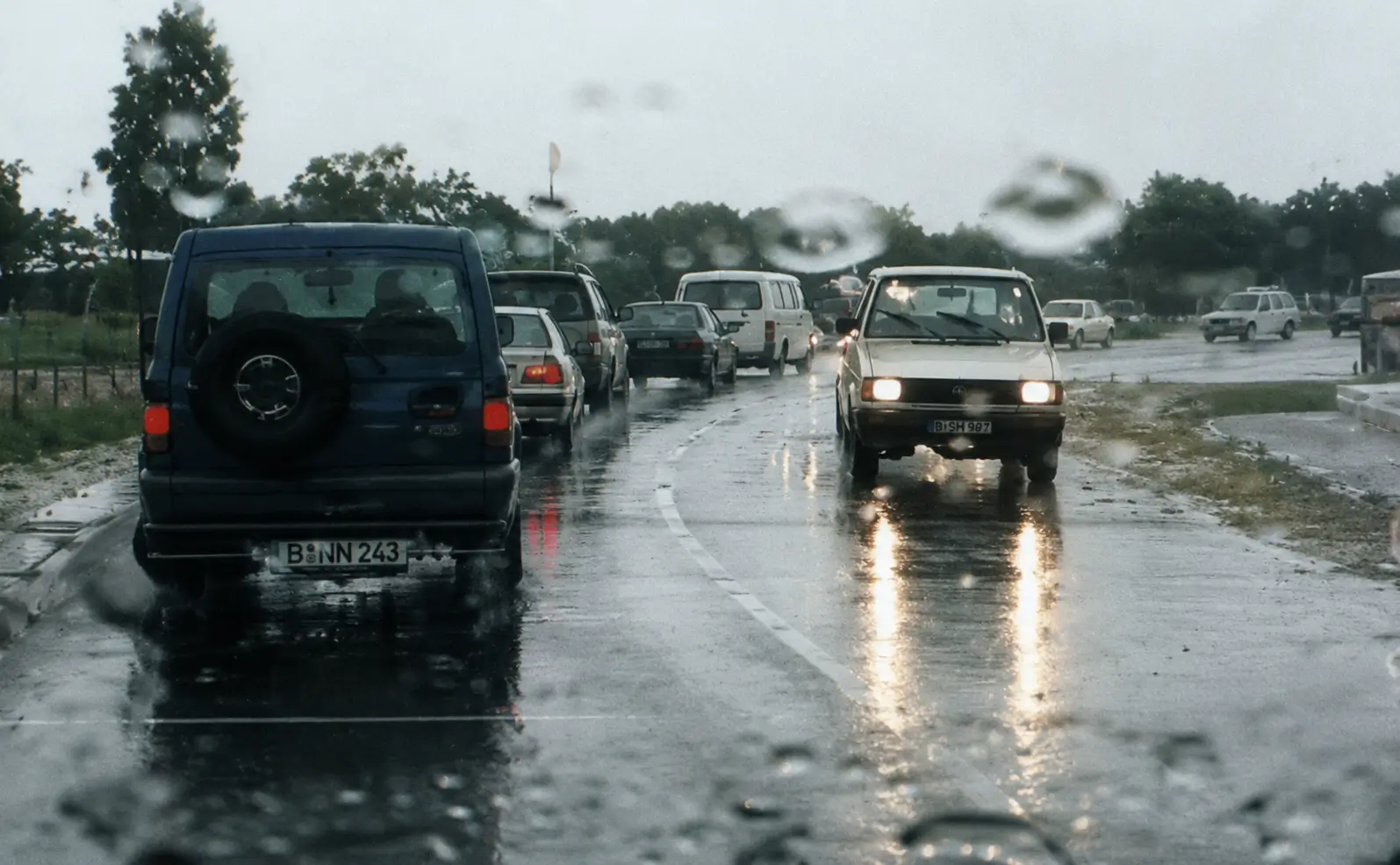
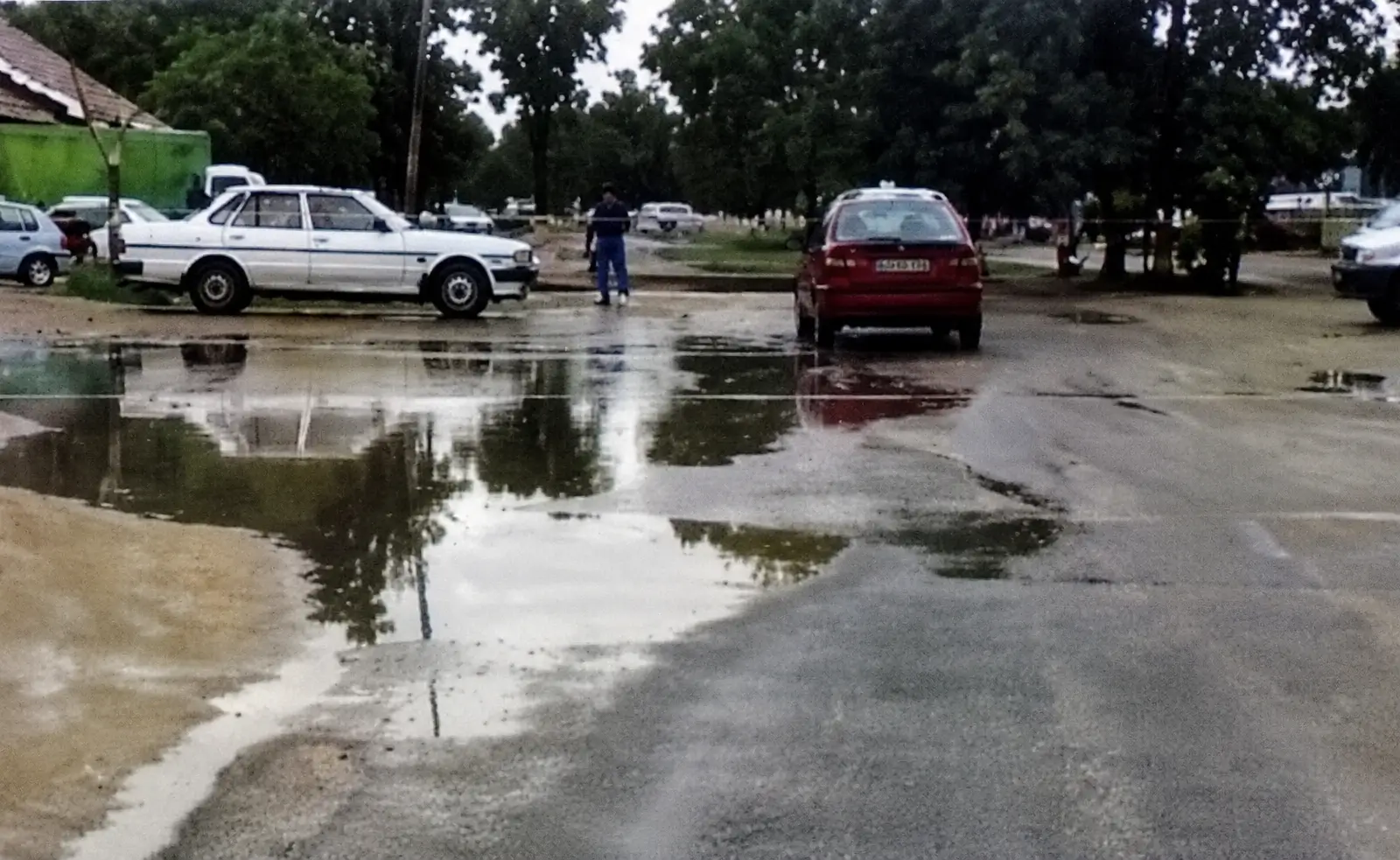
10.Why is it necessary to maintain a particularly great safe distance from vehicles in front?
- Because otherwise wheel-spray impairs visibility
- Because the stopping distance is greater than on a dry road
- Because otherwise you might react too late to puddles
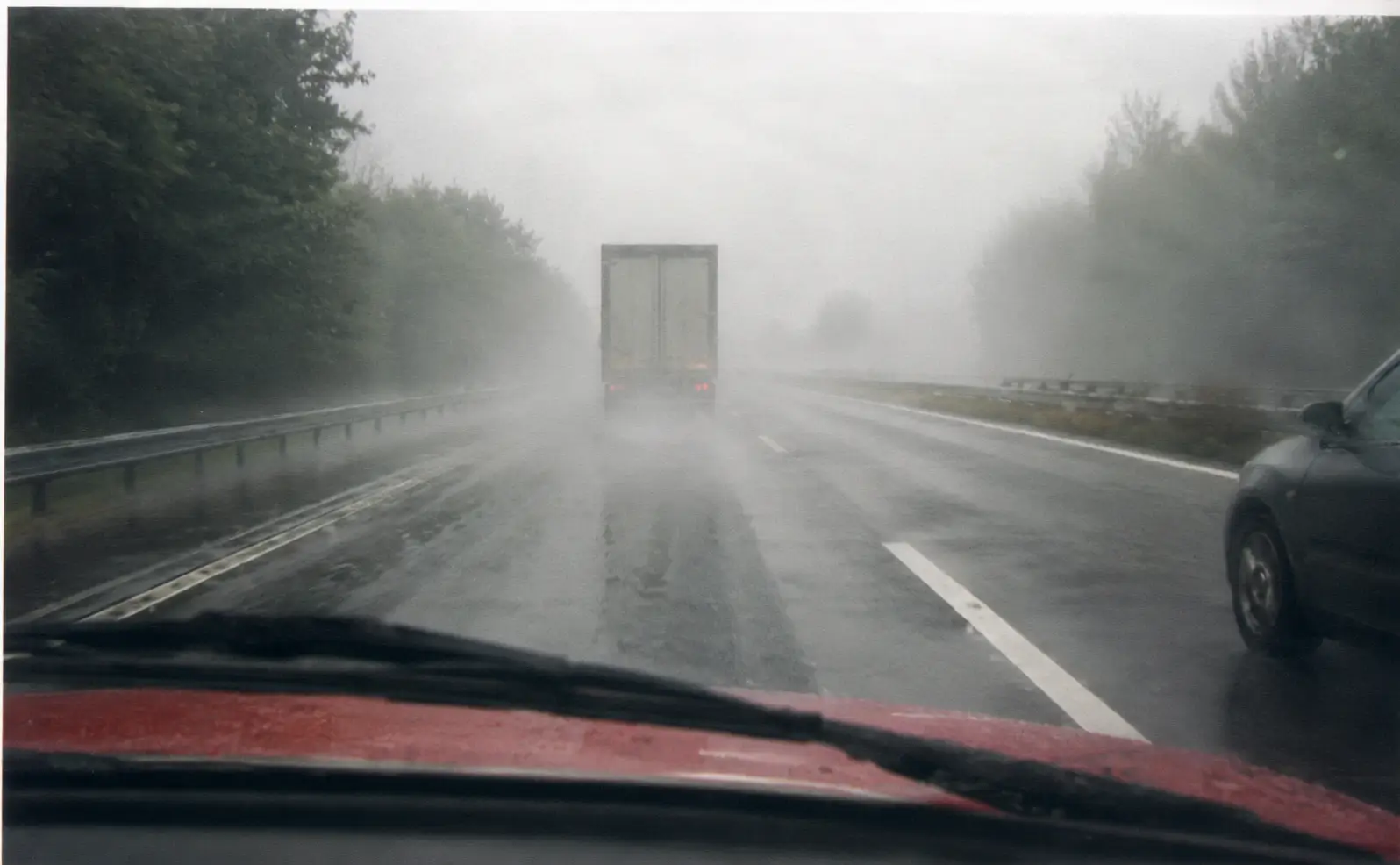
11.What adversely affects road safety in this situation?
- Water thrown up by vehicles in front
- The fog tail lamps of the car in front
12.The road is muddy for a short distance. What should you avoid here, if possible?
- Accelerating
- Braking
- Steering wheel movements
13.While driving, how can you safely check whether the road is slippery?
- By carefully applying the brakes at very low speed
14.You are driving against oncoming traffic on a road deeply covered in sand. The roadway has been cleared by a bulldozer. What must you reckon with?
- Pedestrians are often not able to leave the roadway because of piled-up dirt and therefore make the roadway even narrower
- You may only drive at a speed which excludes any danger for pedestrians
15.What dangers could arise if you want to turn right here?
- You might not be able to stop in time if a pedestrian crosses the side street
- Vehicles coming out of the side street might go into a skid on braking
- Your vehicle could go into a skid on turning too fast
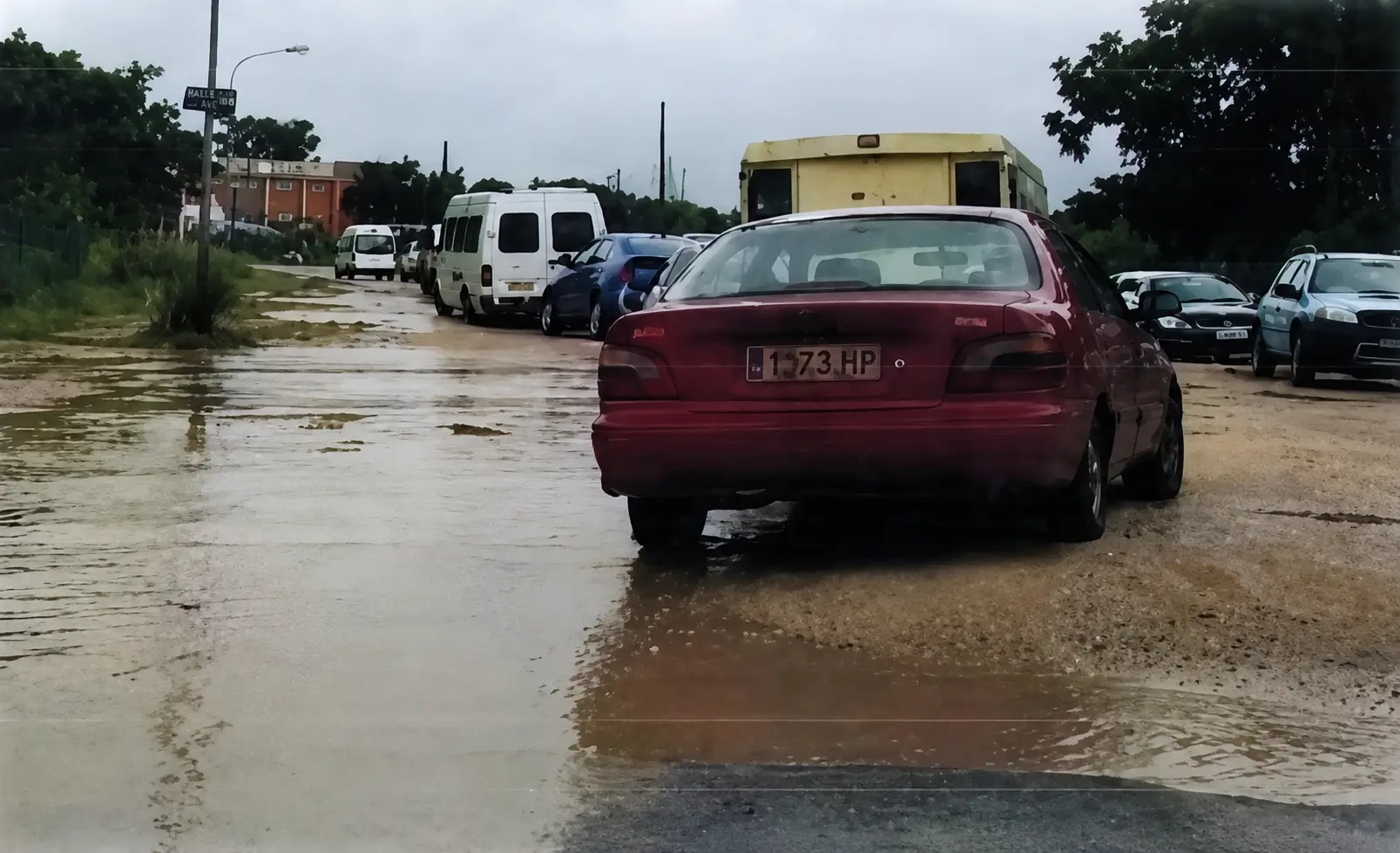
16.Why must you drive with particular caution here?
- Because the roadway is slippery
- Because the view is obscured by the bend
- Because the roadway is made narrower by the wrongly parked car
17.Where must you be prepared to encounter sudden fog?
- Near rivers
- In marshy areas
- Near lakes
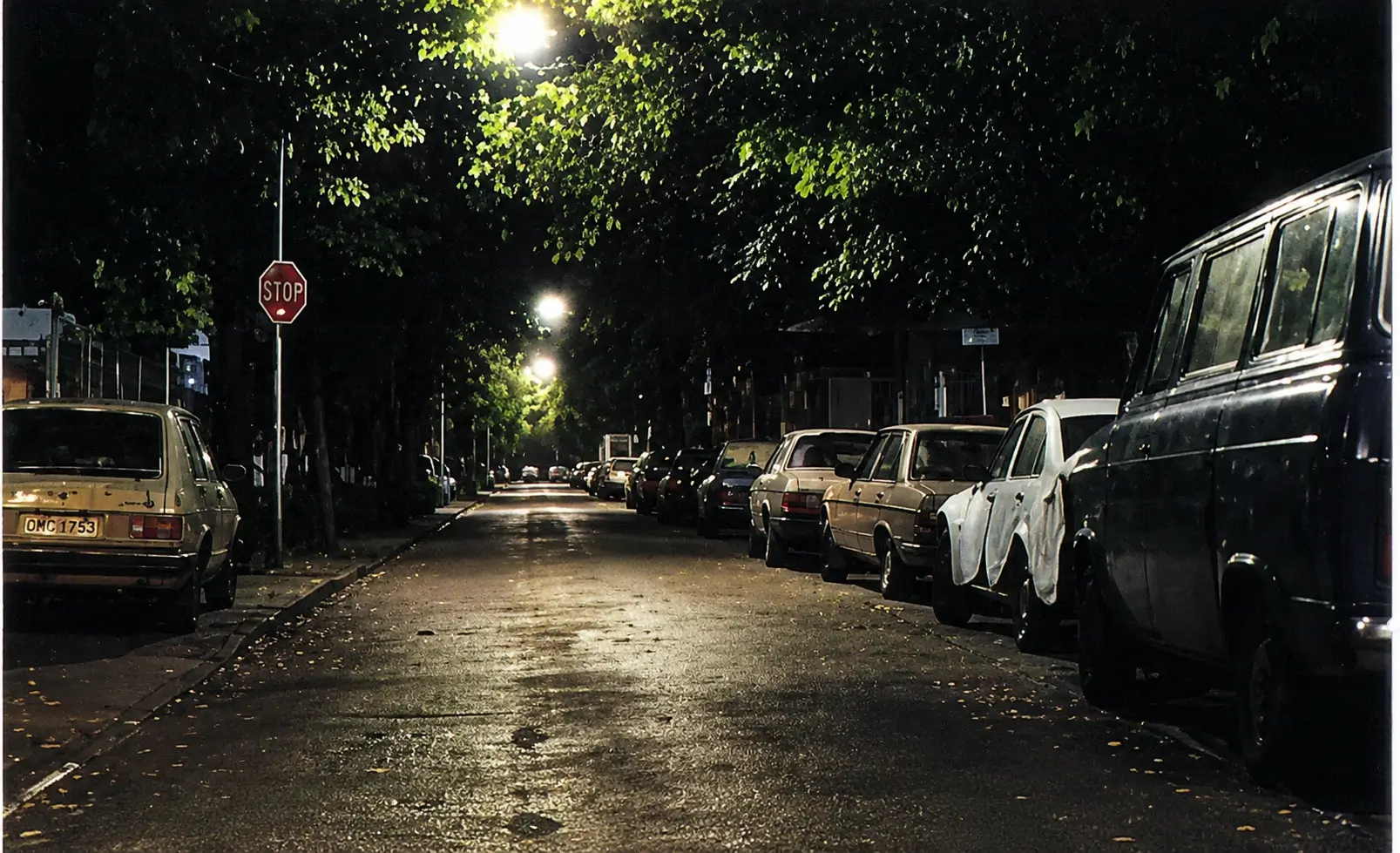
18.Why can driving along this unevenly lit street be dangerous?
- Pedestrians crossing the street in a dark area can easily be overlooked
- Badly lit vehicles are difficult to make out in dark areas
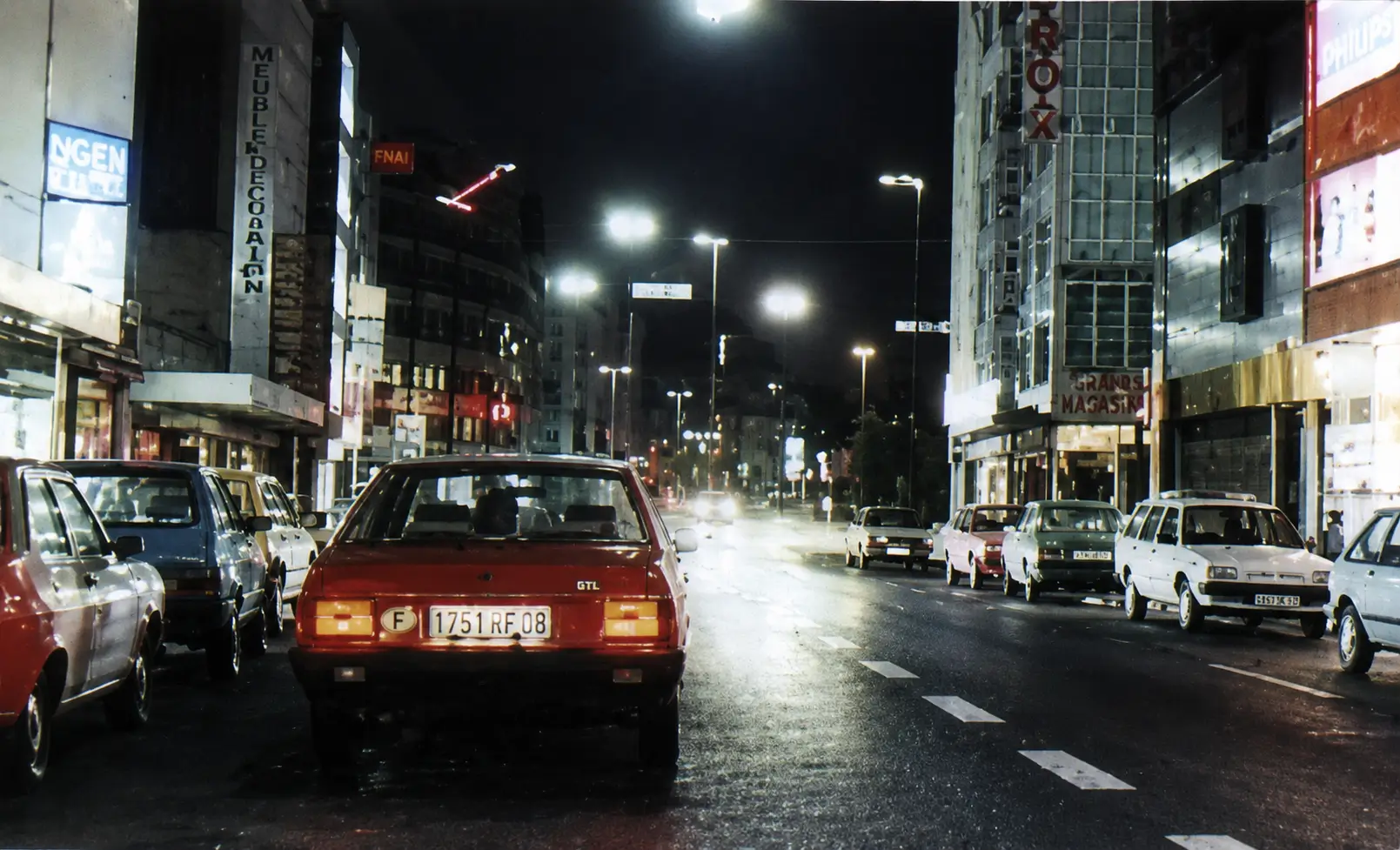
19.What must you reckon with here?
- Others cannot see your vehicle in good time
- You only see oncoming vehicles late
- Traffic lights hardly stand out from the coloured neon signs
20.Where does driving fast often lead to accidents?
- At crossroads and junctions
- At pedestrian crossings
- On bends
21.Where is fast driving particularly dangerous?
- At blind spots
- At road narrowings
- At level crossings
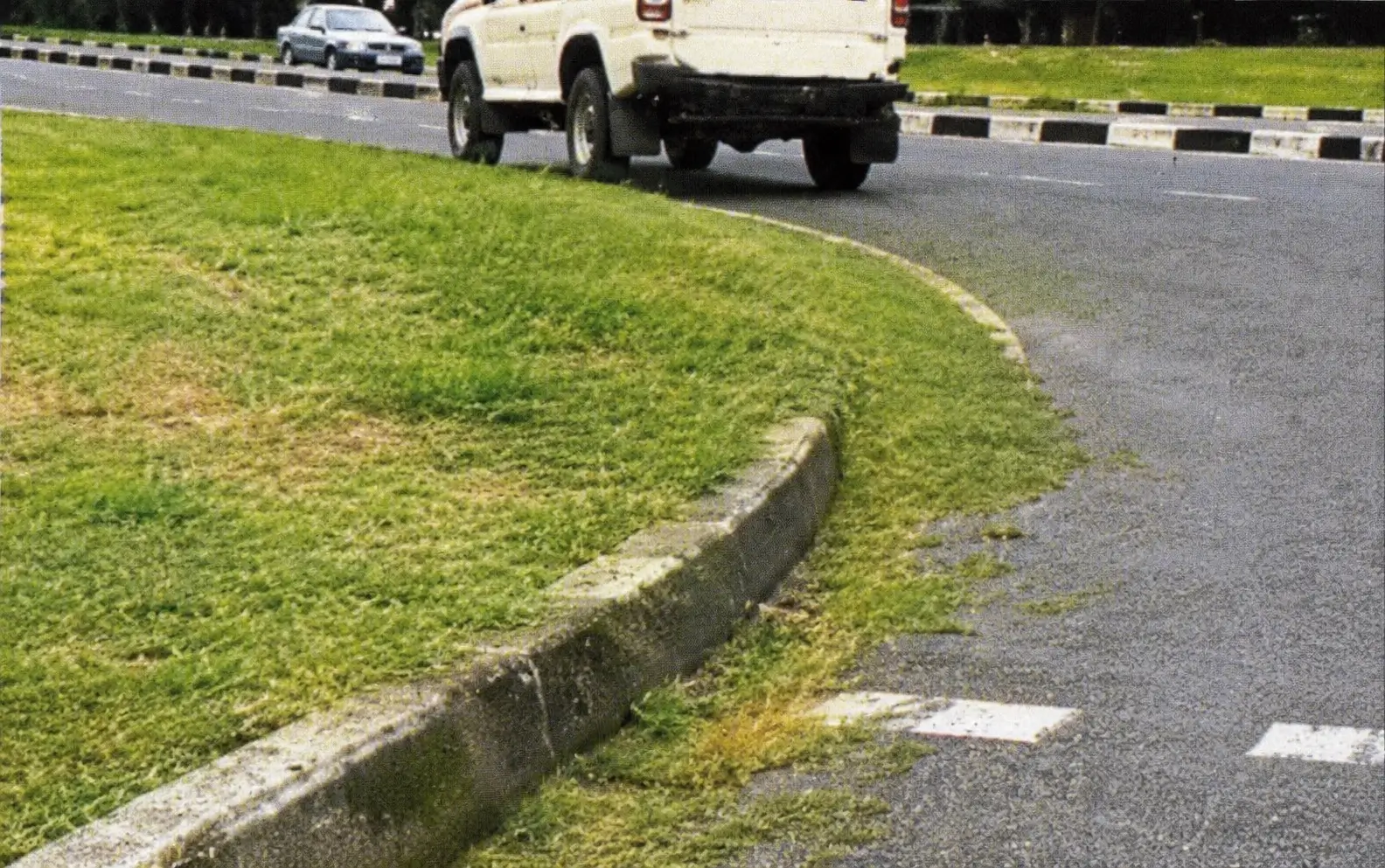
22.How do you take tight bends?
- Reduce speed before reaching the bend
- Only accelerate again when the road straightens out
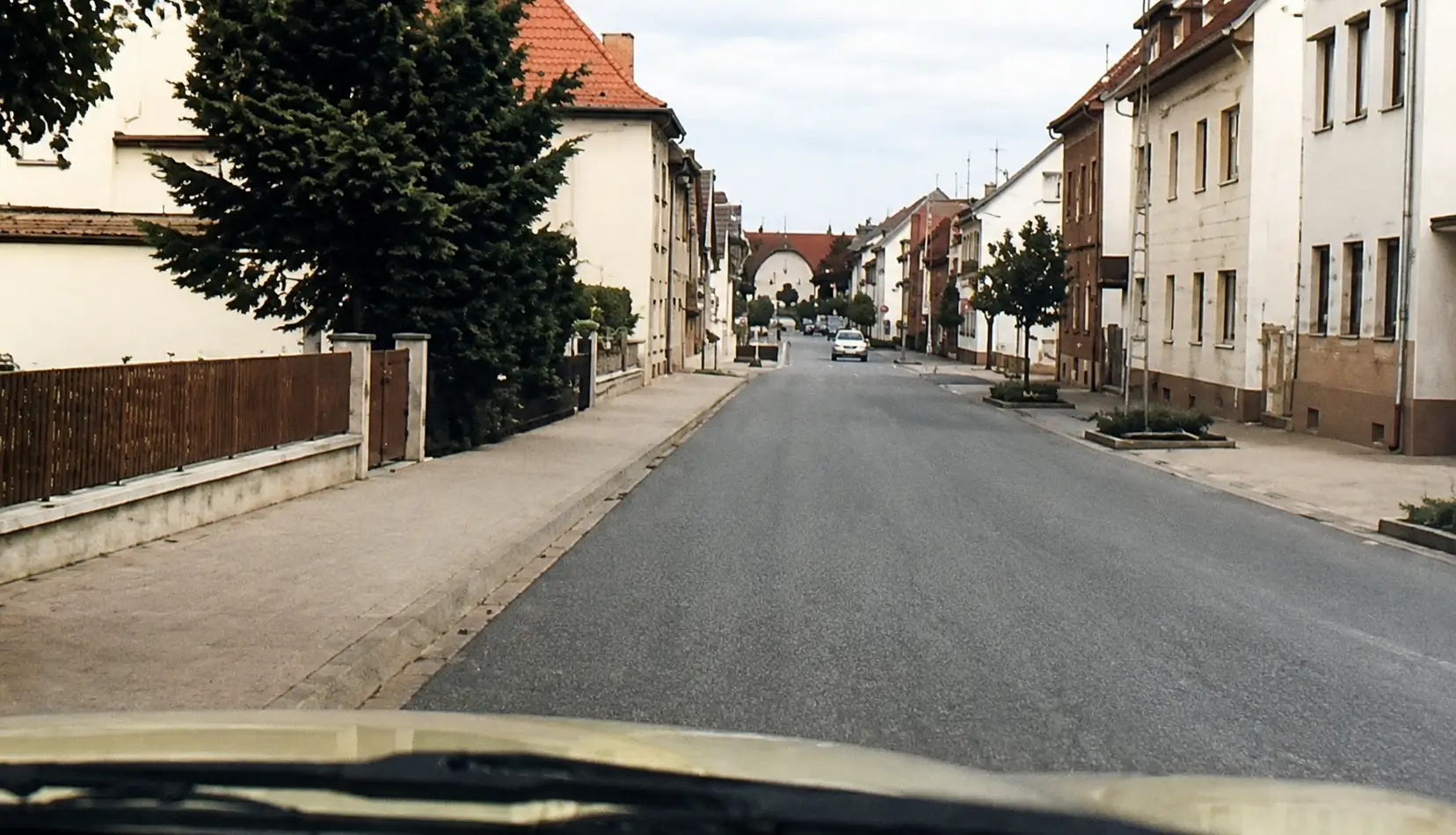
23.Which dangers can arise in this residential area?
- Vehicles drive too fast
- Junctions are ignored
- Children may run into the road unexpectedly
24.What must you reckon with?
- A vehicle moving slowly in your direction behind the bend
- Fast oncoming traffic cutting the bend
- Game pass
25.What must you be prepared for?
- The appearance of a vehicle from the left
- A longer braking distance on account of the wet road
26.Why must you be particularly careful here?
- Because there is an increased danger of skidding when braking
- Because a vehicle could come from the right
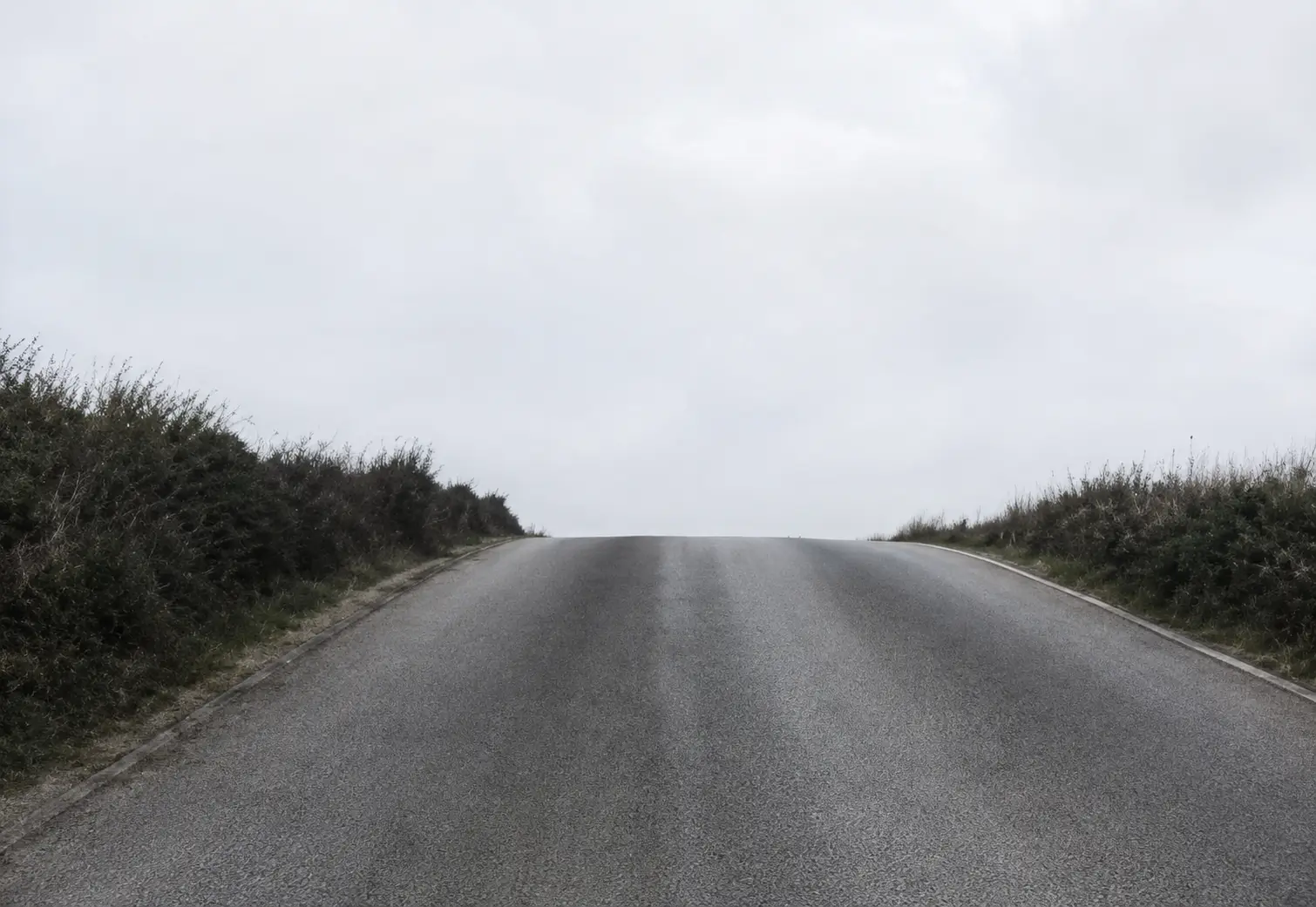
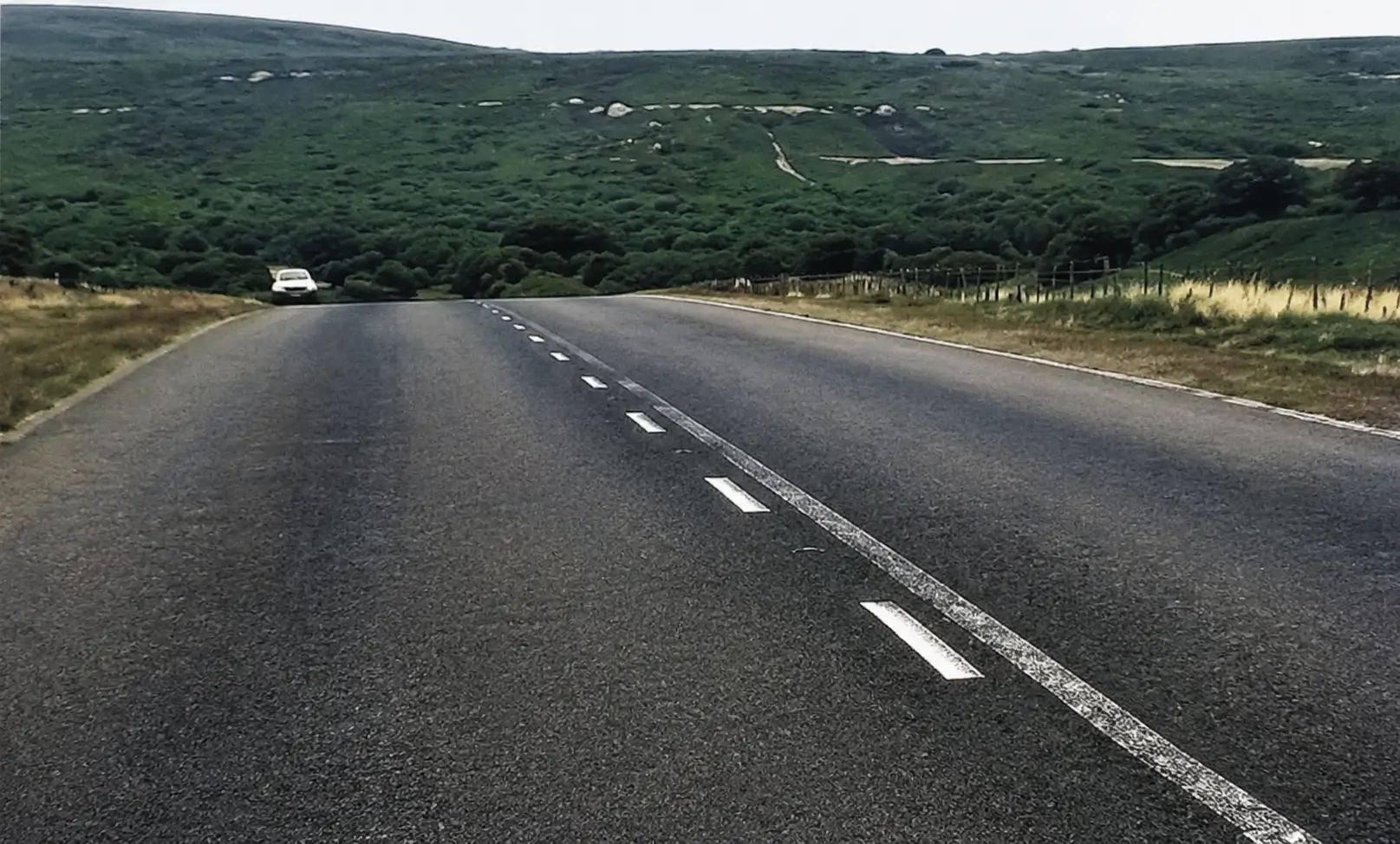
27.What must you reckon with over the brow of this hill?
- A vehicle may have broken down there
- A vehicle coming from the other direction may be straddling part of your lane
- A slow-moving vehicle may be on your lane
28.What must you reckon with?
- With a dangerous right bend
- With a vehicle stopped behind the top of the hill
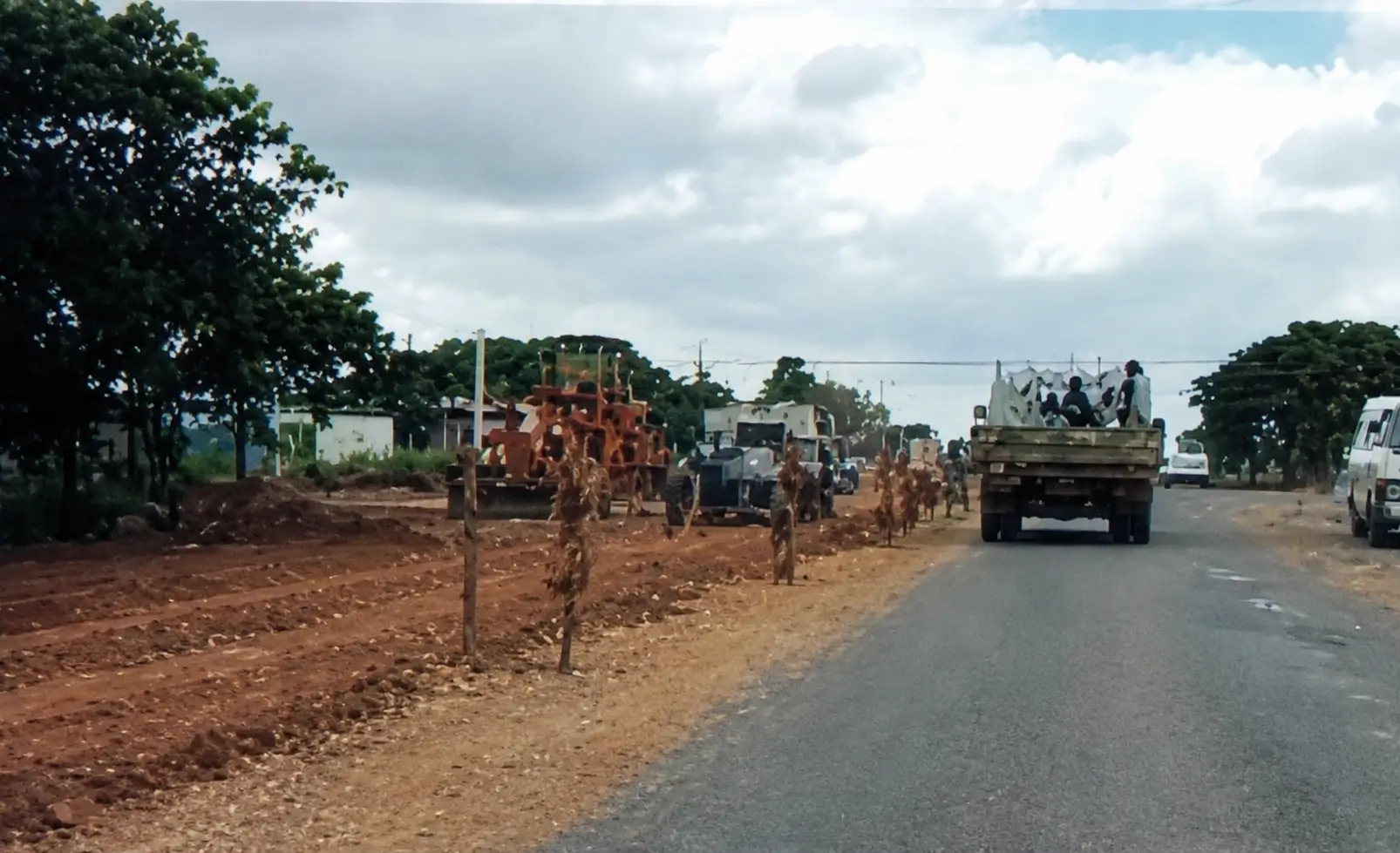
29.What must you be prepared for in this situation?
- An uneven and dirty roadway
- Workers and construction equipment on the roadway
30.What must you reckon with in this situation?
- Vehicles may suddenly brake
- You may need a longer braking distance than normal
31.Which dangers must you reckon with above all in rural areas?
- Soiled roadways
- Slow farm vehicles
- Excessively wide farm vehicles
32.With which road users must special care be taken?
- With handicapped and elderly pedestrians and other pedestrians requiring assistance
- With children
- With cyclists whose riding shows they are unsure of themselves
33.What is the permissible top speed generally in built-up areas?
- (( 60 )) km/h
34.What must you take into consideration when selecting your speed?
- Visibility and weather conditions
- The condition of the road and traffic situations
- Personal driving ability
35.What kind of driving results in high fuel consumption?
- Fast starts and unnecessary acceleration
- Revving up all gears
- Driving at high speed
36.How can you cover more kilometres on less fuel?
- Accelerate in such a way that the highest possible gear is quickly reached
- Think ahead when driving in order to avoid unnecessary acceleration and braking
37.Why must you be particularly careful when driving a vehicle with which you are unfamiliar?
- Because you might not be familiar with the controls and dimensions of the vehicle
- Because you do not yet know how the vehicle reacts to braking
- Because you do not yet know how the vehicle behaves on bends at higher speeds
38.What can cause skidding on bends?
- Heavy braking
- Driving fast on a wet roadway
39.What can result in aquaplaning (sliding on wet roads)?
- High speed
- Worn tyres
- Grooves in the roadway
40.What must you do if your vehicle is caught by a strong side wind?
- Steer against the wind
- Reduce speed
41.Where must you be particularly prepared for dangerous side winds on the Highway?
- On bridges
- Behind cuts in the landscape
42.When can strong side wind be particularly dangerous?
- When overtaking trucks
- When driving across bridges
- When driving past fire breaks in forests
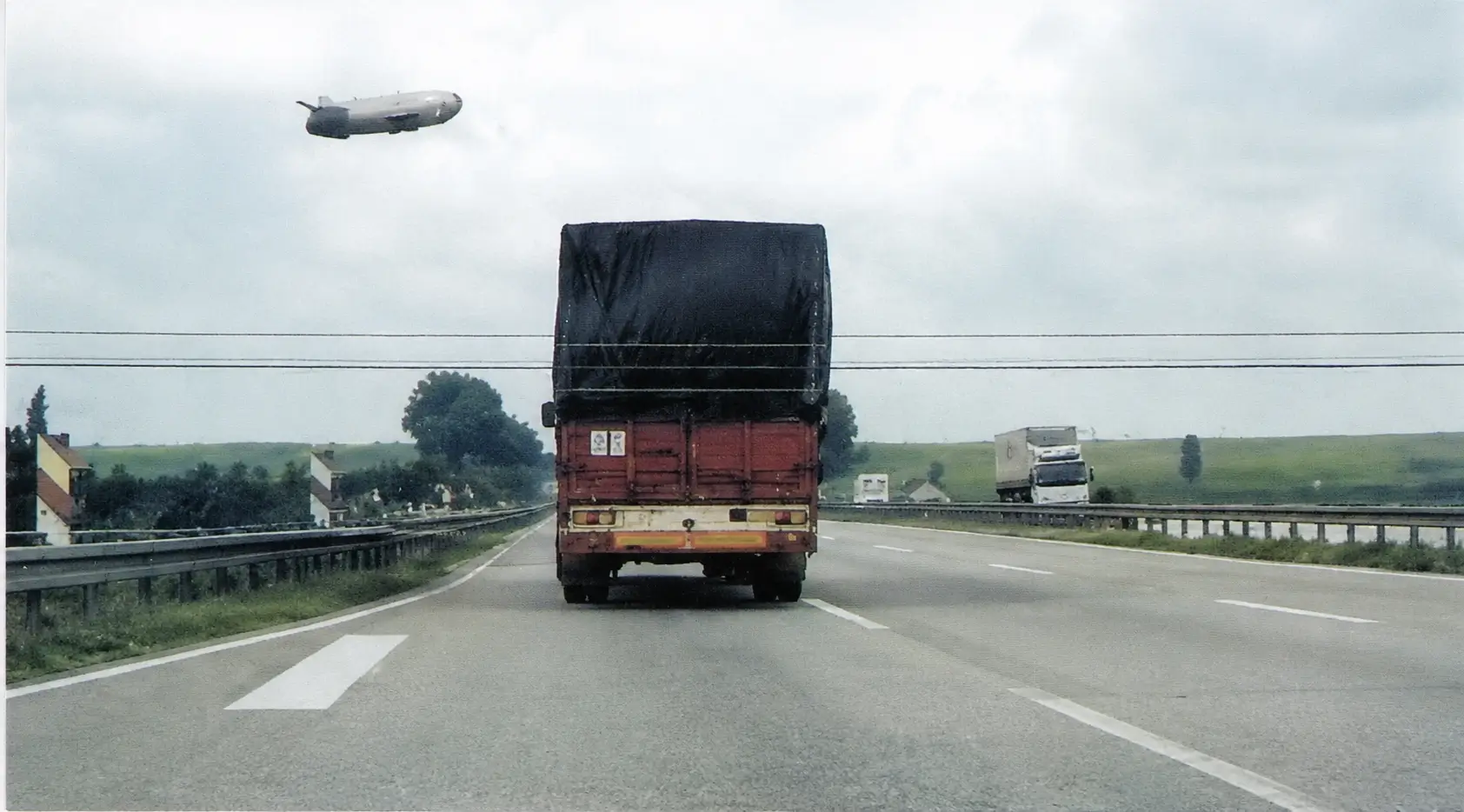
43.What must you reckon with here?
- Your vehicle could be blown to the right by the strong side wind
- When overtaking, your vehicle is pulling to the left when you enter the slipstream of the truck
44.A strong side wind is blowing from the left. When are you particularly exposed to danger when overtaking?
- When you enter the slipstream of the truck
- When you leave the slipstream of the truck
45.Why must you reduce your speed in heavy rain?
- Because braking distance is increased
- Because visibility is reduced
- Because aquaplaning (sliding on wet roads) can occur
46.What adversely affects road safety here?
- Poor visibility
- Reduced grip of the tyres on the wet roadway
47.What can be caused if the road surface suddenly becomes worse?
- Danger of sliding and skidding
- Changes in tyre noise
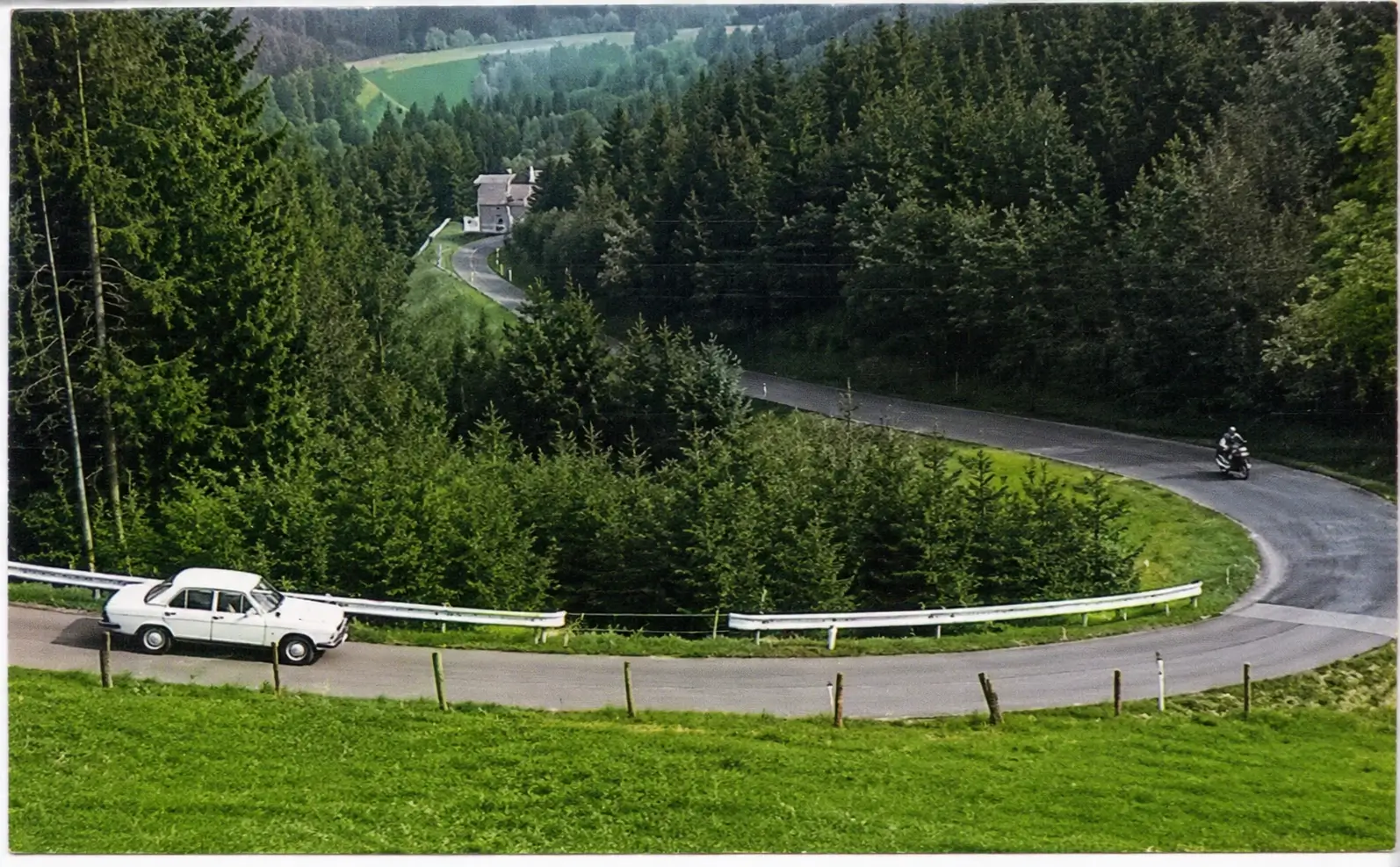
48.What must driver of the white car reckon with?
- Oncoming traffic may cut the corner
- A vehicle may have broken down beyond the bend
- Game animals could suddenly appear
49.Where does aquaplaning (sliding on wet roads) occur particularly often?
- In dips in the roadway
- Where there are grooves in the roadway
50.What does aquaplaning (sliding on wet roads) lead to?
- The vehicle can no longer be steered and braked
- The vehicle can leave the road
51.What must you reckon with when it starts raining after a long period of dry weather?
- A dangerous greasy film on the surface of the road
- Bad visibility immediately upon switching the windscreen wipers on
52.What must you do on encountering sudden dense fog driving at daytime?
- Adapt speed immediately to visibility conditions
- Switch on dipped headlights
53.You are driving on a country road in darkness and rain and encounter oncoming vehicles with dipped headlights. What must you remember?
- You can be dazzled by reflections on the wet road
- Your wet windscreen can result in you being dazzled
54.You have been driving at high speed for some time. What effects can this have?
- You lose your feel for speed
- Your powers of concentration diminish
55.What can result from driving for a long time at high speed?
- You lose your feel for speed
- You drive too close to vehicles in front
56.You are travelling at high speed. Where in particular can obstructions suddenly appear?
- In woodland areas (game animals crossing)
- Behind hilltops
57.When is there a danger of underestimating your own speed?
- When the road is wide and there are no trees, buildings, fences etc. at the edge of the road
- When you have already been driving at high speed for some time
58.What can lead you to dangerously underestimate your own speed?
- Driving for a long time at high speed
- Driving on a good, wide road
59.What must you do?
- Drive slowly because children might run out from between the parked vehicles at any time
- Drive slowly because a door on one of the vehicles could be opened on the roadway side
60.What could cause a fast travelling motor vehicle suddenly to veer sideways on a dry straight road?
- If it is suddenly hit by a gust of strong side wind
- A burst tyre
61.You are driving into a left-hand bend. A motorcyclist is approaching you at high speed. What must you reckon with?
- The motorcyclist could project into your lane with the upper part of his body, because he is leaning over at a steep angle
62.Why does environment friendly driving in general have a beneficial effect on traffic safety?
- Because drivers think ahead when travelling, so that possible dangers can be recognised in time and well avoided
- Because environment friendly driving avoids high speeds so that dangerous situations occur less frequently
63.For which motor vehicles is the recommended Highway speed intended?
- For cars and motorcycles
- For trucks with a permissible total mass of 3.5 t
64.To which roads does the recommended speed of 120 km/h apply?
- Highways
- Roads outside built-up areas with physically separate roadways for each direction
- Roads outside built-up areas with at least two marked lanes in each direction
65.You are driving in fog on the Highway and have 50 m visibility. What is the maximum speed you may drive?
- (( 50 )) km/h
66.You are driving on a narrow road and can see 50 m ahead. What must be your maximum stopping distance?
- (( 25 )) m
67.You are driving on a good road. Visibility is good. Within what distance must you be able to stop at the latest?
- Within the range of vision
68.You are driving at night with dipped headlights on a good country road. Within what distance must you be able to stop at the latest?
- Within the range of the dipped headlights
69.What is the maximum speed a motor vehicle fitted with twin-wheels is allowed to travel?
- (( 80 )) km/h
70.What is the maximum speed you are allowed to drive a truck and trailer with a permissible total mass of 3.6 t on country roads outside built-up areas?
- (( 80 )) km/h
71.What is the maximum speed you are allowed to drive a car with trailer on country roads outside built-up areas?
- (( 80 )) km/h
72.What is the maximum speed you are allowed to drive a car on roads with one marked lane for each direction outside built-up areas?
- (( 120 )) km/h
73.What is the maximum speed you are allowed to drive a truck with a permissible total mass of 7.5 t on roads with one marked lane for each direction outside built-up areas?
- (( 80 )) km/h
74.What is the maximum speed a truck with a permissible total mass of 8.0 t and trailer may be driven on Highways?
- (( 80 )) km/h
75.On a clearway for motor vehicles only, there is a sign "recommended speed 100 km/h". What is the maximum speed at which a car towing a trailer may travel?
- (( 80 )) km/h
76.What are the effects of driving at high speed?
- Increased fuel consumption
- Increased pollutant emission
77.How can you reduce noise?
- By driving in 4th or 5th gear in built-up areas
78.By which percentage does the fuel consumption (litre/100 km) of a middle-class car driving at 160 km/h in general increase compared to driving at the recommended speed of 120 km/h?
- By up to 35 %
79.What does a front-wheel drive car tend to do if you accelerate too much on a bend?
- The front end tends to turn out to the side
80.What does a rear-wheel drive car tend to do if you accelerate too much on a bend?
- The rear end tends to turn out to the side
81.Which factors lengthen your braking distance?
- Towing a trailer not fitted with brakes
- A wet or slippery roadway
- Driving down slopes
82.What does the braking distance depend on?
- The condition of the tyres
- The condition of the braking system
- The condition of the road surface
83.You double the speed at which you are travelling. How does this affect the braking distance?
- It is (( 4 )) times as long
84.By which rule of thumb can you determine from the speed the distance in metres a motor vehicle travels in one second?
- Speed in km/h / 10 x 3
85.By which rule of thumb can you determine the braking distance in metres from speed?
- Speed in km/h / 10 x Speed in km/h / 10
86.You are driving on a narrow road. A pedestrian suddenly steps onto the roadway 20 m ahead of you. When, by the rule of thumb, can a collision not be avoided?
- At a speed of 40 km/h
87.You have a reaction time of 1 second. Which stopping distance must you reckon with by rule of thumb if you are travelling at 100 km/h?
- (( 130 )) m
88.How long is the braking distance by rule of thumb when you are travelling at 100 km/h?
- (( 100 )) m
89.You have a reaction time of 1 second. What is the reaction distance by rule of thumb if you are travelling at 100 km/h?
- (( 30 )) m
90.You have a reaction time of 1 second. Which stopping distance must you reckon with by rule of thumb if you are travelling at 50 km/h?
- (( 40 )) m
91.How long is the braking distance by rule of thumb when you are travelling at 60 km/h?
- (( 36 )) m
92.You have a reaction time of 1 second. What is the reaction distance by rule of thumb if you are travelling at 60 km/h?
- (( 18 )) m
93.What can be the causes of rear-end collisions?
- Unexpectedly heavy braking
- Inattentiveness
- Driving too close behind the vehicle in front
94.You are driving in a built-up area behind a vehicle with foreign number plates. What should you be prepared for?
- The driver in front could brake unexpectedly
- The driver in front may switch on the direction indicators too late, just before a turn
- The driver in front could stop unexpectedly to ask the way
95.What do you do if visibility is drastically reduced by fog?
- Adapt your speed in time to visibility conditions
- Increase the distance from the vehicle in front
96.What does the distance to be maintained from the vehicle ahead depend on?
- Visibility conditions
- Speed
- State of the road surface
97.It starts raining. Why must you immediately increase the safe distance?
- Because a greasy film may form which increases the braking distance
- Because visibility may become worse and the windscreen wipers do not immediately provide a clear field of vision
98.You are driving on a country road in a stream of traffic. What must you do?
- Observe the safe distance
99.What makes driving in a stream of vehicles easier?
- Watching the queue through the windows of the vehicles travelling in front
- Driving in a slightly staggered position in your own lane
100.What is the minimum distance that should normally be maintained from the vehicle in front outside built-up areas?
- ½ the speedometer reading in metres
101.You are driving in urban traffic on a dry roadway in a stream of traffic travelling at a speed of 50 km/h. What is the minimum safe distance you must keep from the vehicle in front?
- 15 m or approximately 3 car lengths
102.What do hazard warning lights draw your attention to?
- To vehicles which have broken down
- To school buses with children boarding or alighting
- To a traffic jam
103.What must you reckon with when you see a hazard warning light flash?
- With a school bus with children alighting
- With a car being towed
- With a truck broken down
104.For which purposes is a horn allowed to be used outside built-up areas?
- As a warning signal
- As an overtaking signal
105.For which purpose is a horn allowed to be used in built-up areas?
- As a warning signal
106.Where is it permitted to flash headlights to indicate your intention to overtake?
- In daylight outside built-up areas
- In darkness outside built-up areas